The Native Plant Research Notebook
Exploring what new scientific research means for gardeners and wildlife
By Jon Storm, Co-Director of Publicity & Social Media
Welcome to The Native Plant Research Notebook! In this new series, I’ll summarize recent academic research on native plants and explain what it means for gardeners and anyone interested in supporting wildlife.
This note is on a 2025 paper in Ecosphere by Desiree Narango and Katherine Straley from the University of Massachusetts, Amherst. You may be familiar with Dr. Narango from her previous Carolina chickadee work with Dr. Doug Tallamy. Her prior research showed how declining native plant abundance can ripple through the ecosystem. Carolina chickadees need caterpillars to feed their young, and many caterpillars depend on native plants. As native plants declined, caterpillar abundance declined as well, leaving less food available for nesting chickadees.
The new research summarized below continues that story by exploring how different native and non-native plants support caterpillars and what that means for gardeners who want to help local wildlife.
What Did the Researchers Want to Know in this Study?
Most plant-eating insects (more than 90%) specialize on a relatively small group of host plants. For instance, promethea moths feed on plants in the genus Prunus, which includes cherries, plums, peaches, and related trees and shrubs. There are roughly 350 Prunus species distributed across every continent except Australia and Antarctica.
Desiree Narango and Katherine Straley sought to determine whether all Prunus species are equally good host plants for promethea moth (Callosamia promethea) caterpillars. They compared the survival and growth of caterpillars feeding on their preferred host tree in the Northeast, the native black cherry (Prunus serotina; Fig. 1), to caterpillars feeding on:
- native, non-host trees such as black aronia, Aronia melanocarpa
- other native Prunus species growing in their part of Massachusetts
- Prunus native to other parts of the Northeast
- Prunus from Europe or Asia.
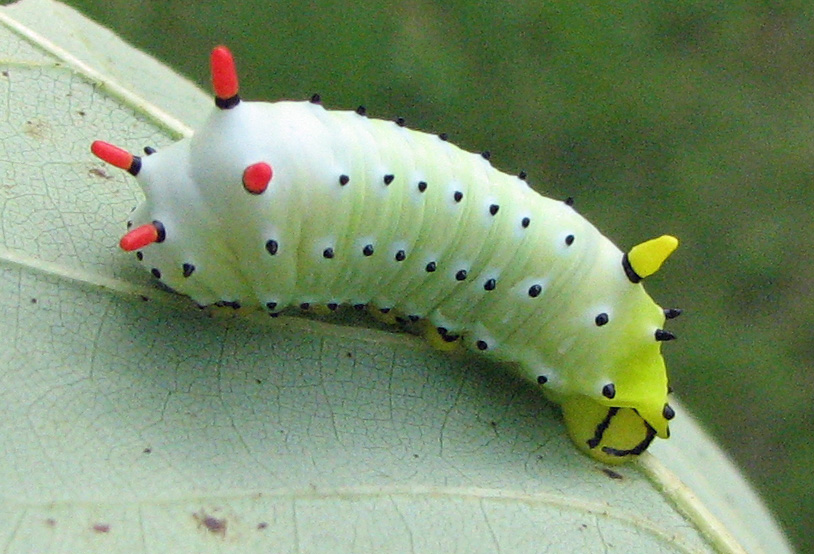
Figure 1. Promethea Moth Caterpillar. By Jacy Lucier – Own work, CC BY-SA 4.0, httpscommons.wikimedia.orgwindex.phpcurid=85979260.
In other words, are promethea moth caterpillars really limited to feeding on host trees? Is the native sand cherry (Prunus pumila) from other parts of the Northeast or the non-native Kwanzan cherry (Prunus serrulata) from Asia just as good at feeding these caterpillars as local black cherry?
What They Found
- Promethea moth caterpillars did not survive on native, non-host tree leaves. Caterpillars need host plants!
- Caterpillars did not survive when fed leaves of the non-native Kwanzan cherry (P. serrulata), non-native red-leaf plum (P. cerasifera), or the non-native Yoshi cherry (P. speciosa).
- Caterpillars survived to their last larval stage before pupation on all other Prunus native to the area (g., choke Cherry, P. virginiana) and all but one Prunus species native to other parts of the Northeast (the exception was Canada plum, P. nigra).
- Caterpillars survived to the last larval stage on three non-native Prunus (e.g., Okame cherry, P. incisa, from Korea); however, these caterpillars tended to grow at a slower rate, and they grew to a smaller size than caterpillars fed native black cherry leaves.
- Overall, native Prunus were better hosts for promethea moth caterpillars than non-native Prunus.
What This Means for Gardeners
- If you want a cherry or plum tree to support wildlife (i.e., not just for human food), plant one native to your area such as black cherry (P. serotina, Fig. 2). Prunus native to other parts of the Southeast will likely support many caterpillars too, but perhaps not as many as species native to your own region.
- Although no non-native Prunus are currently listed as invasive in South Carolina or North Carolina, they appear to be poorer host plants for promethea moth caterpillars compared to native Prunus.
- Fruits of non-native Prunus can benefit wildlife, but fruits from native Prunus will too. Plus, the leaves of native Prunus will provide better food for caterpillars and the birds and other wildlife that feed on those caterpillars.
- This study suggests there can be some room for flexibility when choosing native plants from your region, at least as it relates to Prunus and promethea moths in the Northeast. Encouraging people to plant more native species, even if it’s just native to the Southeast but maybe not their immediate area, can provide meaningful benefits for wildlife.
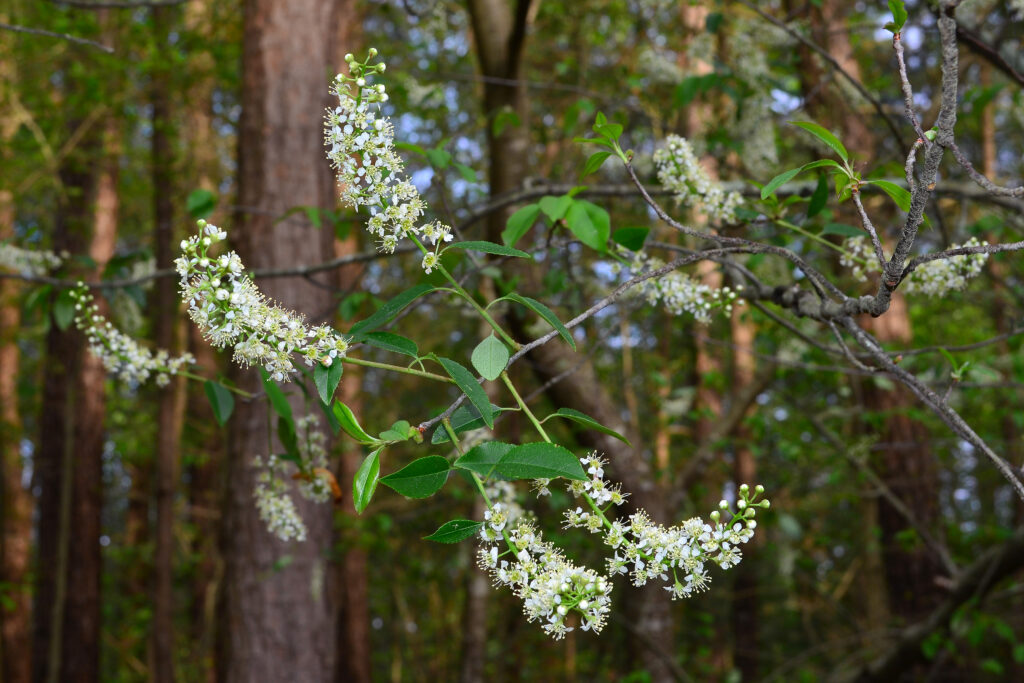
Figure 2. Black Cherry (Prunus serotina) blooms in early spring. Photo by Jon Storm.
Plant This Thought
Closely related plants aren’t always equal. When possible, choosing a plant native to your area is likely to provide the greatest benefit for local caterpillars and the wildlife that depends on them.
Read This Study
Narango, Desiree L., and Katherine Straley. 2025. “Non-Native Congeneric Trees are Poor-Quality Host Plants for a Larval Lepidopteran.” Ecosphere 16(5): e70274. https://doi.org/10.1002/ecs2.70274
References
Narango, D.L., D. Tallamy, and P. Marra. 2018. Nonnative plants reduce population growth of an insectivorous bird. Ecology. 115: 11549-11554.
Prunus. Royal Botanic Gardens Kew Plants of the World Online. Accessed on 17 July 2026 at Prunus L. | Plants of the World Online | Kew Science
Author’s Note
Opinions expressed here are mine and not necessarily those of the South Carolina Native Plant Society.
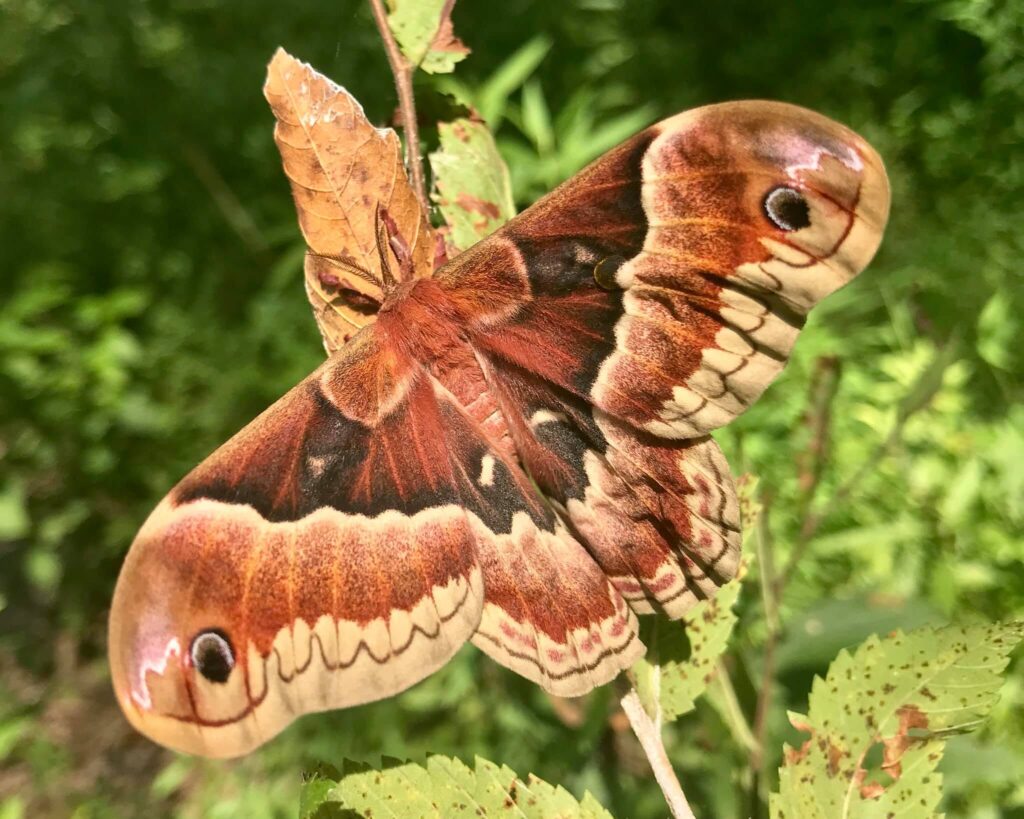
Figure 3. Promethea Moth. Photo by Jon Storm.