
Serving Central South Carolina
About the Midlands Chapter
Plant Sale Volunteers
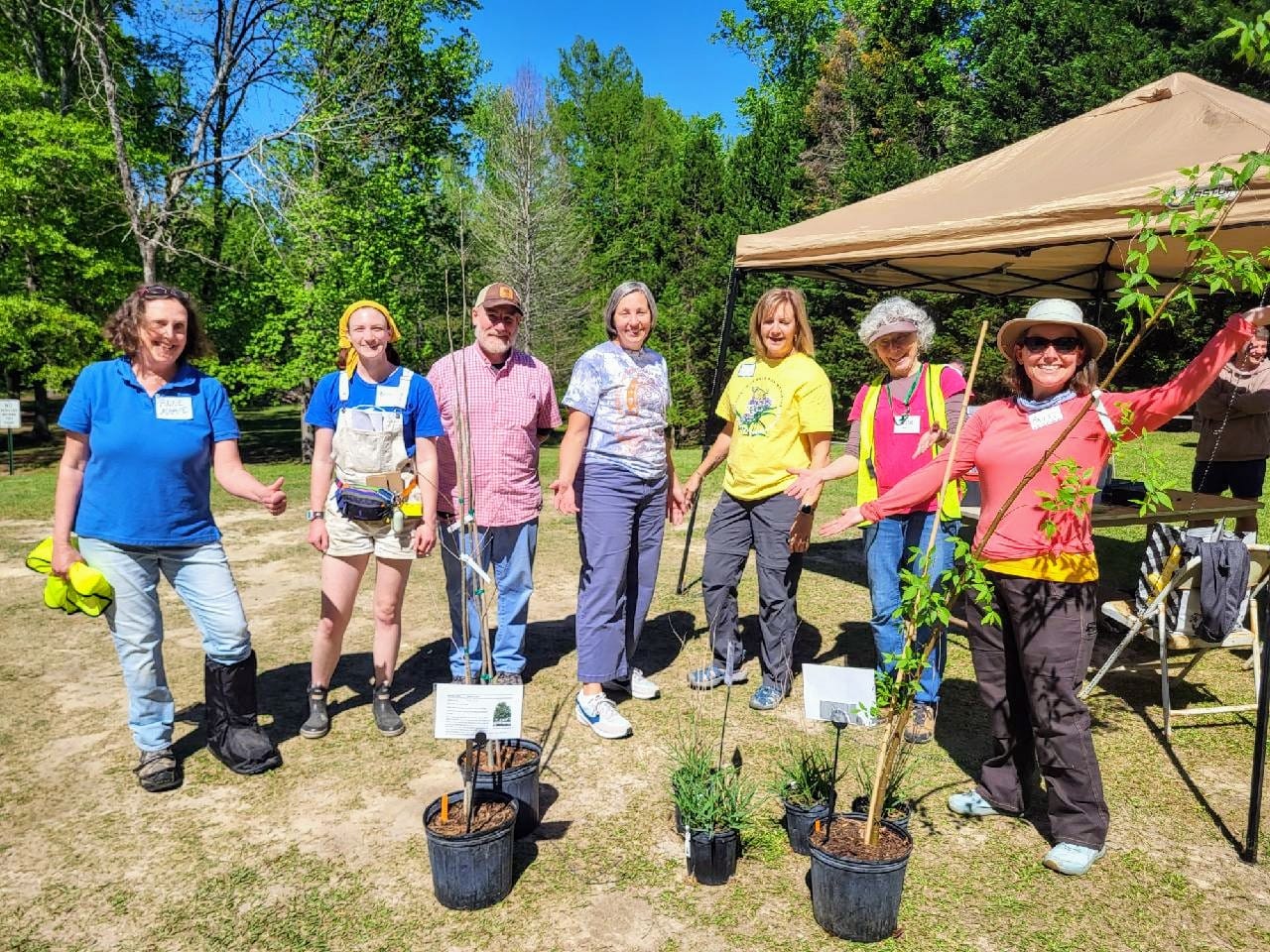
Midlands Board Members at Columbia's Earth Day Climate Action Fair
The Midlands Chapter is a growing community of gardeners, naturalists, educators, and neighbors who share a commitment to protecting the plants and ecosystems that make South Carolina worth loving.
There is a place here for every level of experience. Whether you have been studying native plants for decades or just planted your first coneflower, welcome!
Join us, follow along, or just say hello.
Facebook | Instagram | YouTube | Send us an email
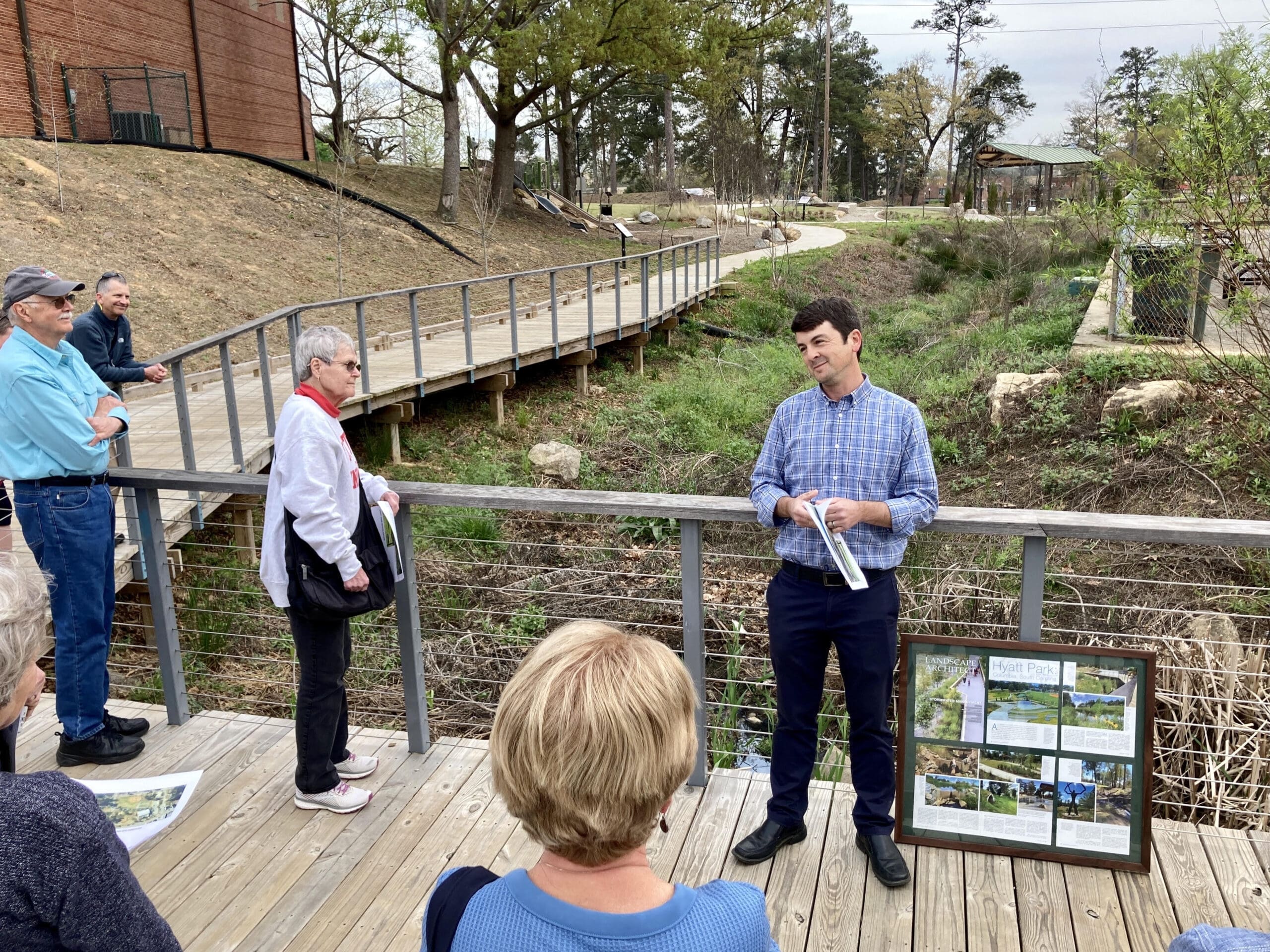
Join the Midlands ChapterTodd Martin speaks at Hyatt Park. Credit: Lynn Yenkey
Midlands Meetings
Our member meeting is at 7 p.m. on the 2nd Thursday of odd months. Our board meets monthly on the 1st Thursday.
Location: Garden Club Council of Greater Columbia building, 1605 Park Circle, Columbia, SC 29201
Meetings range from presentations with local experts, to casual meet-ups where we can explore native plants, to our annual potluck and plant swap. The public is always welcome.
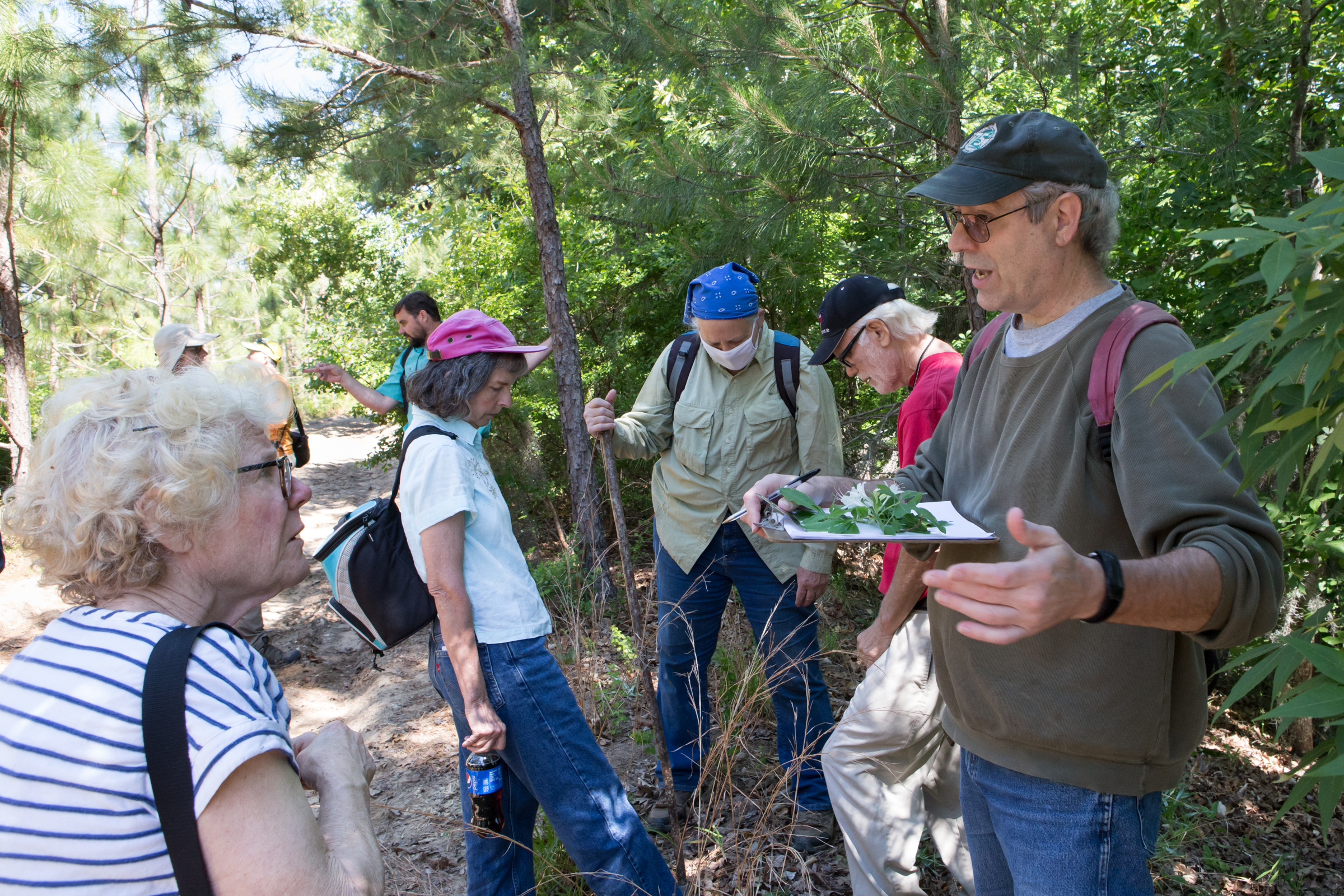
Midlands SCNPS Congaree Bluffs. Credit: Lynn Yenkey
Midlands Field Trips
We regularly visit special Midlands locations that teach us all something about this ecoregion. We have hunted for May white azaleas with Dr. Charles Horn at Congaree Bluffs, taken in the unique Sandstone Barrens habitat along a section of the Ft. Jackson Passage of the Palmetto Trail, and toured the Gopher Tortoise Heritage Preserve with the former state herpetologist. Check the calendar to see what’s next!
Demonstration Garden at Saluda Riverwalk. Credit: Lynn Yenkey
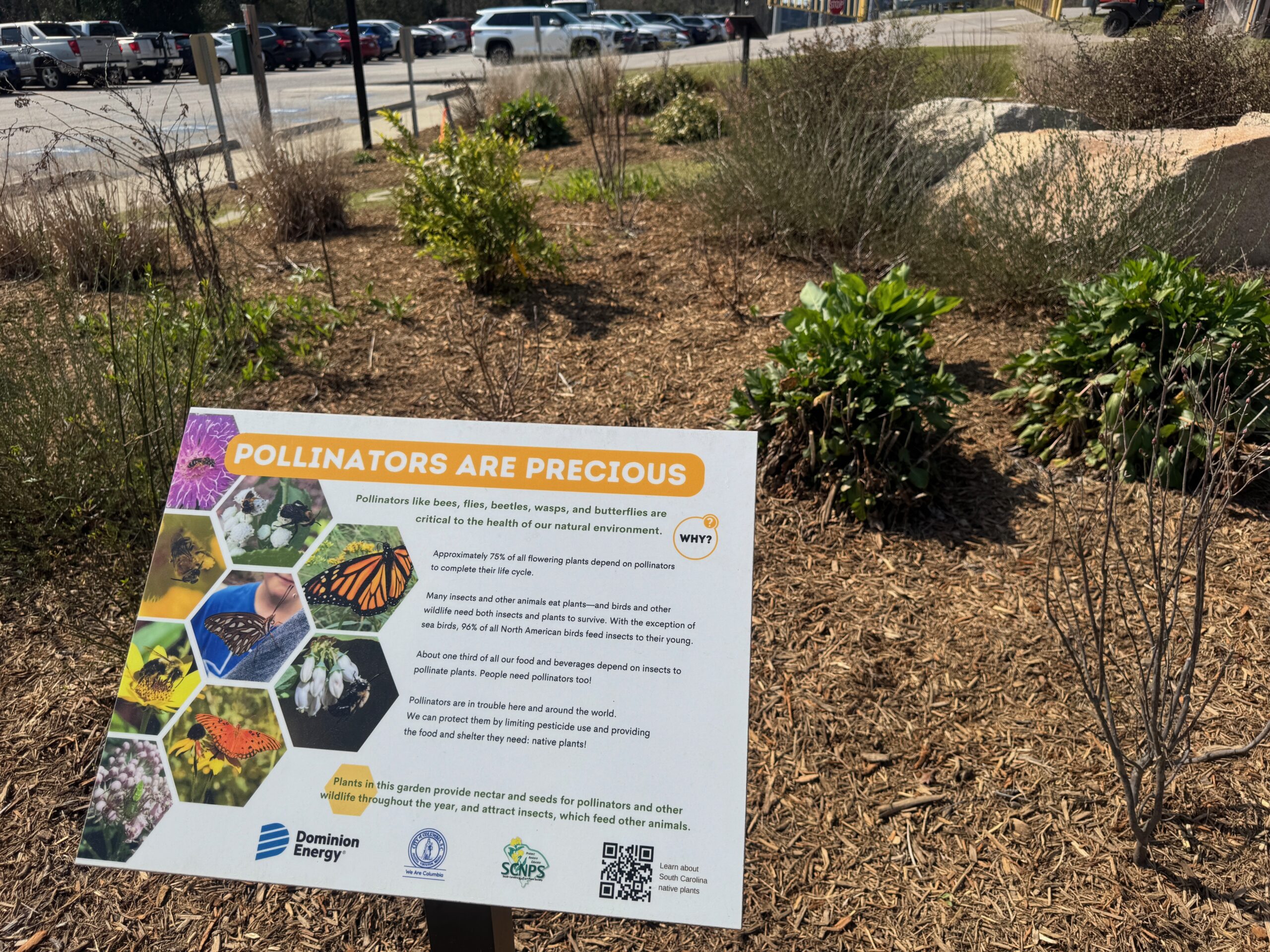
Midlands Service Projects
Our efforts range from invasive plant removal, to plant rescues ahead of development, to planting new gardens. Some notable projects:
- Supporting the Palmetto Trail Pollinator Pathway with new garden installations at several trailheads
- Stewarding the Lisa Matthews Memorial Bay with biannual work days
- Working with Dominion Energy to change their list of recommended plants for powerline rights-of-way to all native species
- Obtaining a grant from Dominion Energy to establish a garden demonstrating appropriate plantings under power lines at Saluda Riverwalk in Columbia
- Volunteering with local schools at native plant garden work days
Native Tree Sale in Columbia. Credit: Lynn Yenkey
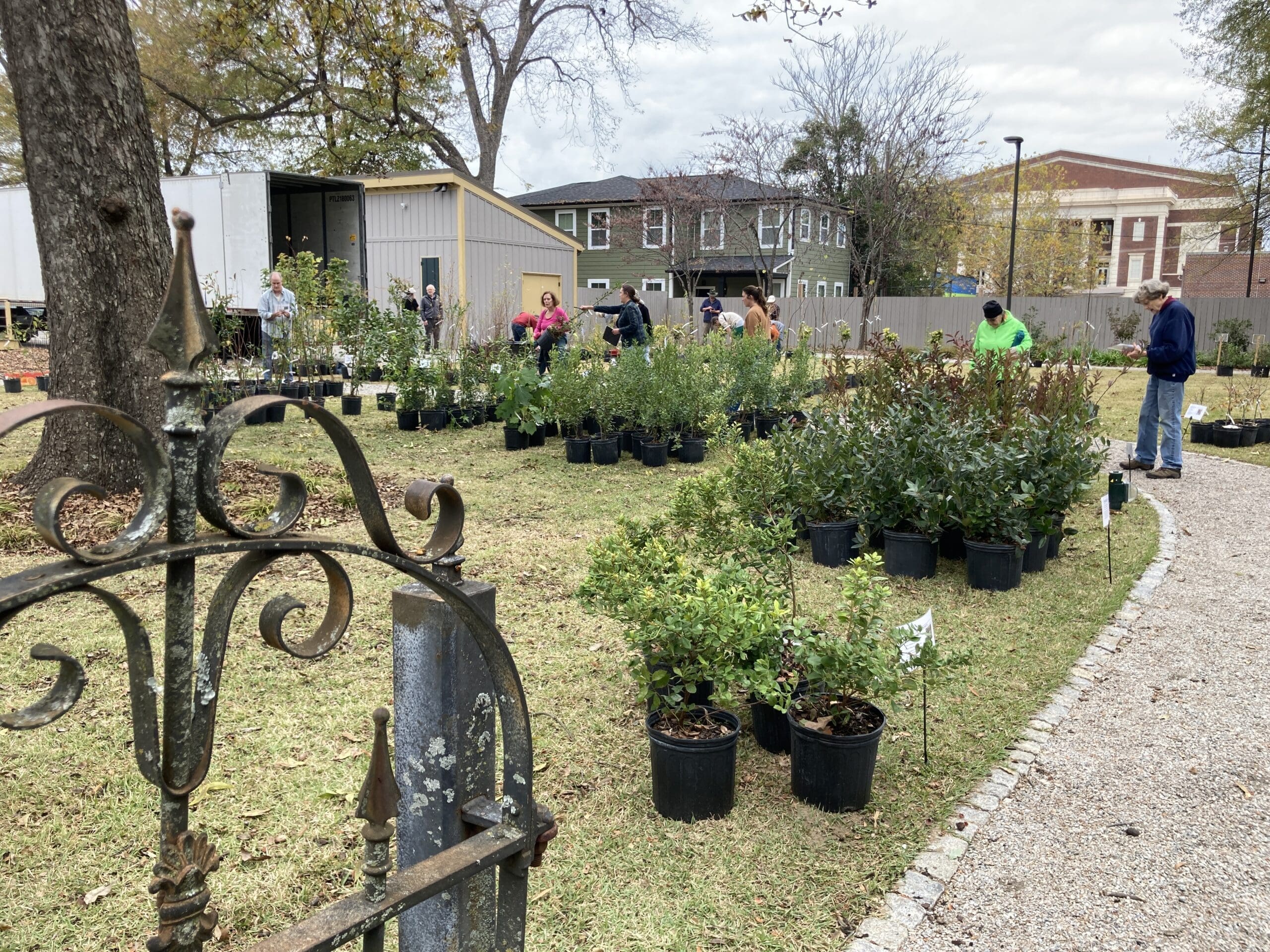
Midlands Plant Sales
The Midlands Chapter spring and fall native plant sales have become one of the area’s most popular sources for gardeners looking for locally-appropriate plant species. Whether you’re starting your first native garden or expanding one, our friendly volunteers are on hand to help you choose the right plants for your soil, sun, and space.
Local food trucks, artists, and booksellers make them a community event!
Midlands SCNPS at the Riverbanks Zoo. Credit: Lynn Yenkey
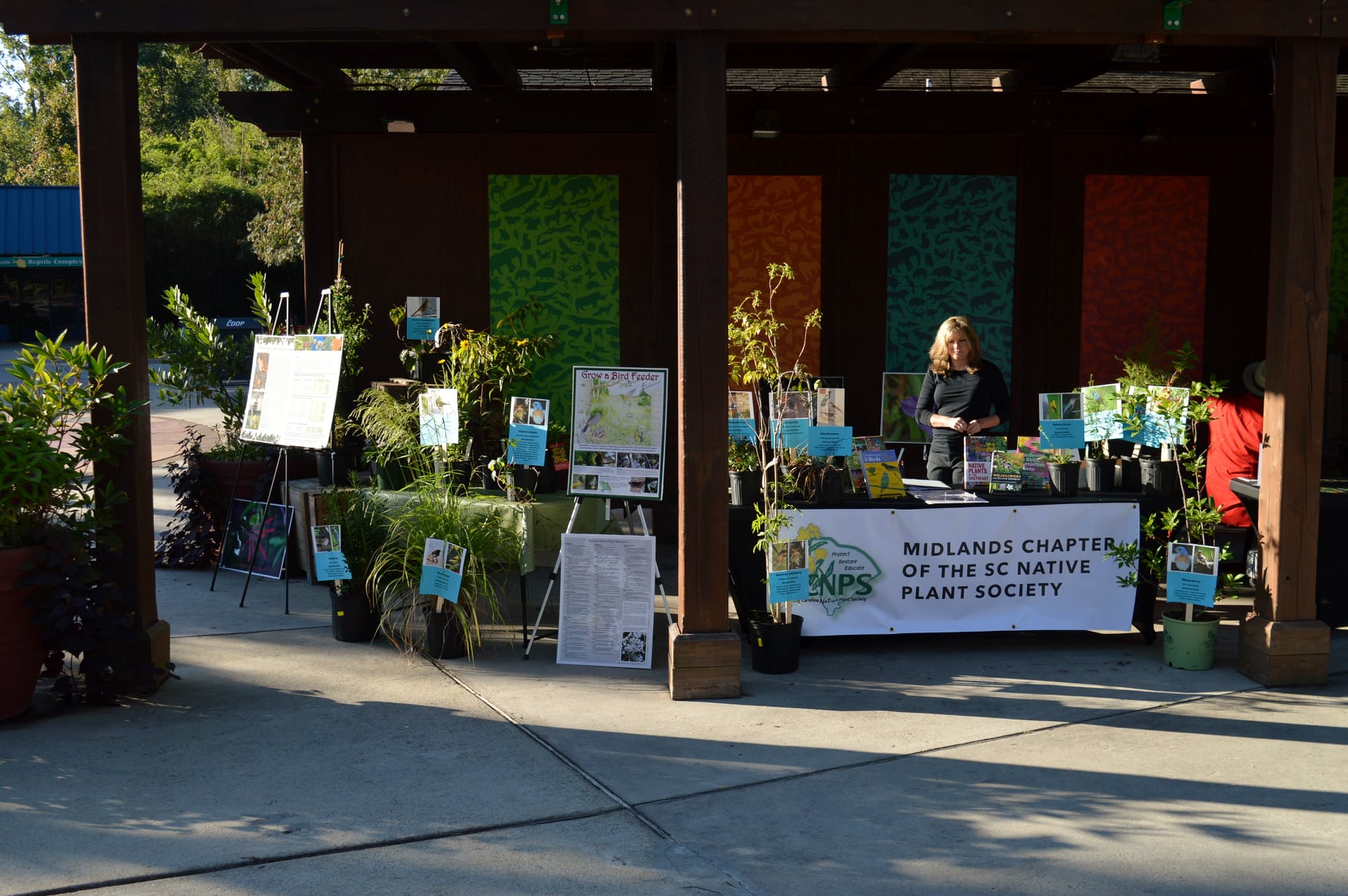
Midlands Outreach and Education
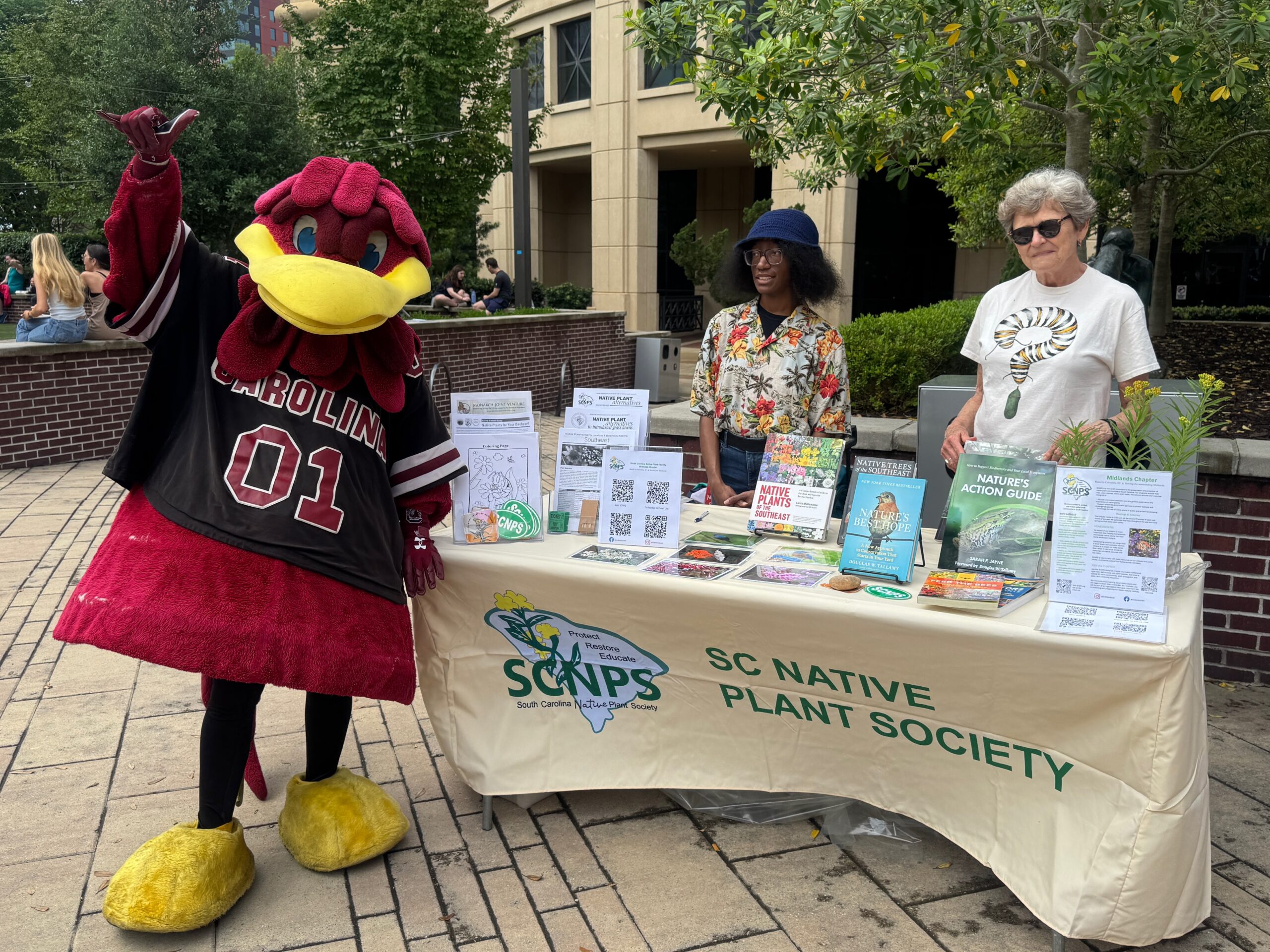
Spreading knowledge about native plants is central to everything we do. Chapter members speak to community groups from Lexington to Orangeburg, staff information tables at events like the Ag + Art Tour and Riverbanks Zoo and Gardens’ Earth Day celebration, and answer questions from the public through social media and our newsletter. We offer approachable, practical information about why native plants matter and how to get started with them at home.
Our newsletter features plant profiles, gardening tips, and updates on conservation issues affecting the Midlands. Subscribe right here.
Riverfront Revival Grant Project Presentation. Credit: Catherine Massey
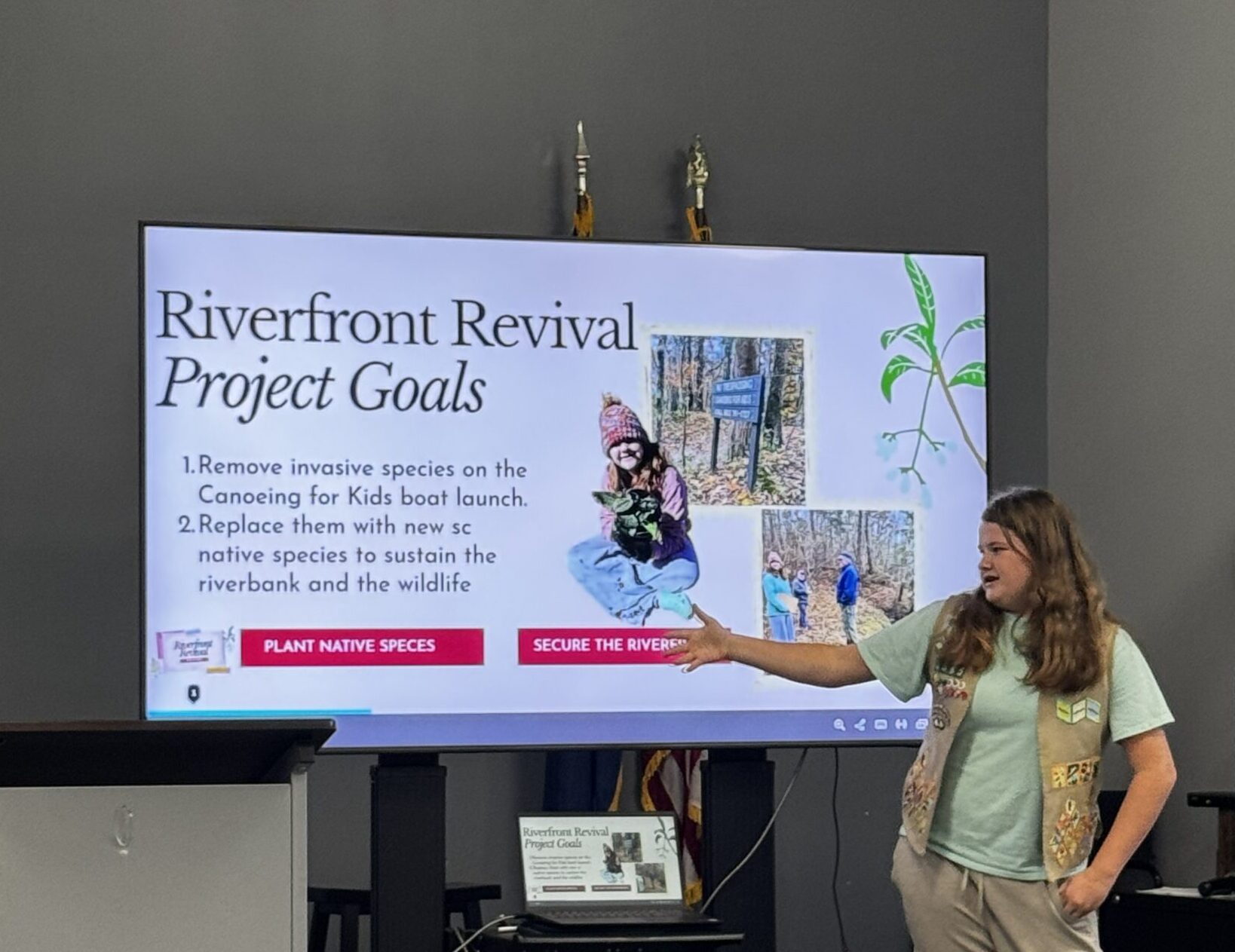
Midlands Grants and Scholarships
The Midlands Chapter invests directly in the people and places working to bring native plants into South Carolina communities.
Grants of up to $2,000 are available to neighborhoods, student groups, schools, churches, and nonprofits with projects that advance the SCNPS mission. Scholarships of up to $200 support individuals pursuing training or education, including the South Carolina Native Plant Certificate, naturalist courses, and conferences.
We encourage applicants to think broadly. A pollinator garden at a Title I school, a native plant installation at a community center, a neighborhood invasives removal project — these are exactly the kinds of ideas we want to fund.