By Jo Ann McCracken-Redding, Co-Director of Publicity
Meeting Details:
August 3rd, 6:30 pm
Pickens County Administration Facility
222 McDaniel Avenue, Pickens, SC
Citizens may make comments up to three minutes long.
Sign up in the Council Chambers at the podium before the meeting starts.
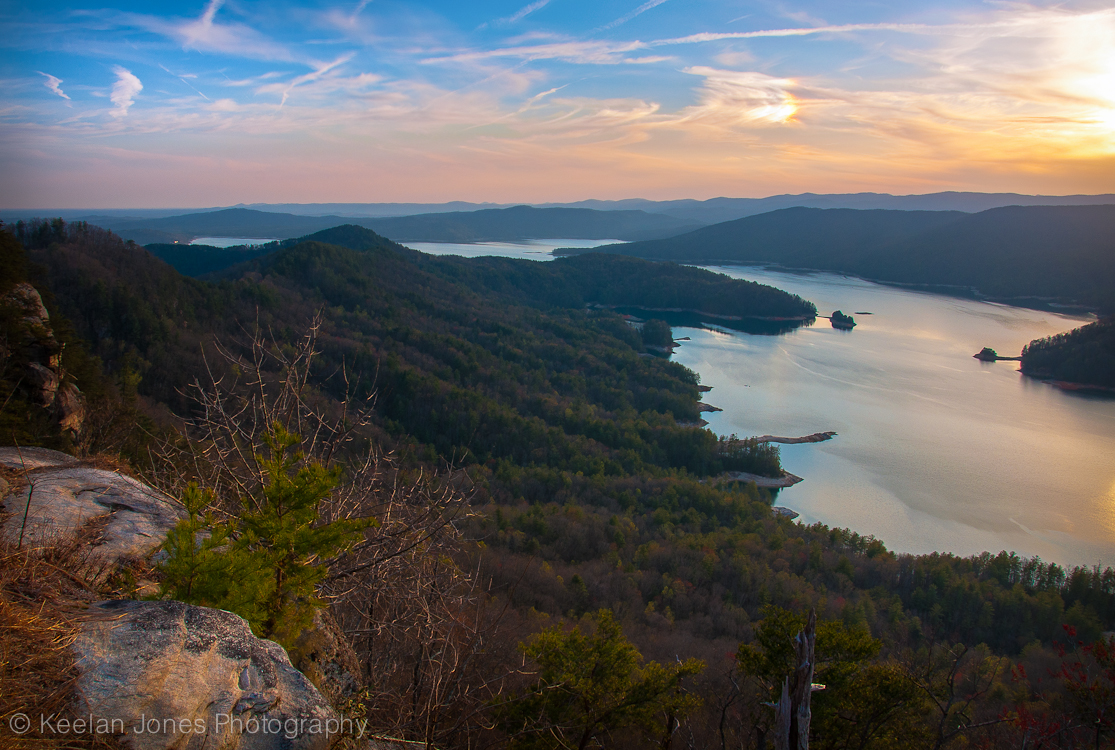
At a public hearing this Monday, Ordinance No. 684 will be read and voted on to establish a Lake Keowee and Lake Jocassee overlay district covering 1,320 feet of the full pond elevation of both lakes.
The overlay district zoning regulations will be layered on top of the existing zoning regulations for the primary purposes of protecting water quality, conserving natural resources, and safeguarding drinking water, which is tapped in both Pickens and Greenville Counties. The overall intent is to protect these areas for the general benefit of all citizens.
During the monthslong review process, the ordinance has been revised based on a quick response and a significant amount of work by Rick Huffman, SCNPS, and other community citizens and organizations.
The version of the ordinance that will be voted on enforces stricter building setbacks and vegetation buffers by forbidding the following from the overlay district:
1) no duplex, single-family attached, townhome and multi-family uses,
2) no landscaping, including the use of fertilizers, pesticides, herbicides or fungicides,
3) no forestry and timbering activities,
5) no commercial or industrial – without exceptions,
6) no specific prohibited uses outlined in the county’s Unified Development
While council members have received public input overwhelmingly in favor of this ordinance and its strict protection of their water supply, a contingent of developers and homeowners of waterfront properties are not in favor of the new restrictions. They see it as an infringement on their property rights and a threat to property values. That’s the battle that will play out at the meeting. And that’s why your voice in favor of the ordinance is important.
Throughout our 30-year history, SCNPS Upstate has served our communities through environmental/conservation advocacy. We’ve fought many battles against ecological threats by developers. And we’ve won many of those battles! Help SCNPS Upstate strengthen our voice by attending this meeting!