One of the joys of native plant gardening, whether you’re new or really experienced, is getting to know the fascinating ways our plants are vitally connected to insects and animals that depend on them. Native plants are at the heart of seasonal rhythms, growing and blooming right on time to feed migrating birds and pollinators, and sustaining the insects that in turn feed the local food web.
As you plan and shop for your garden, consider the ecological roles native plants fill, and get to know a new pollinator or two. Then plant your garden with the gorgeous shapes, colors, and structures that both fill up our hearts and fuel South Carolina wildlife.
Here are a few ideas to get you started.
Keystones of the Native Garden
A few plants are must-haves in every native garden because as keystone species they support many insects, have long bloom times, and are pretty easy to grow. Various pollinators need different flower shapes, colors, and structures, so grow a variety and mass each type together so pollinators can find and use them. That’s good garden design, too.
- Asters (Symphyotrichum) are essential nectar plants in fall, when queen bumblebees and other overwintering pollinators are desperately looking for food. Woodland aster (Eurybia divaricata) is best for shady sites.
- Black-eyed Susan (Rudbeckia hirta) is a tough all-around garden star.
- Bee balms (Monarda) support hummingbirds as well as tiny bees. Grow them all!
- Blazing star (Liatris) is a magnet for Monarchs and other butterflies in summer in full sun.
- Goldenrod (Solidago) is not to blame for hayfever, but is amazing late season pollinator fare.
- Joe-Pye weed and boneset (Eutrochium) provide late-summer nectar that feeds migrating butterflies and many other pollinators.
- Beardtongues (Penstemon) support everything from hummingbirds to native bees, and are simply lovely plants.
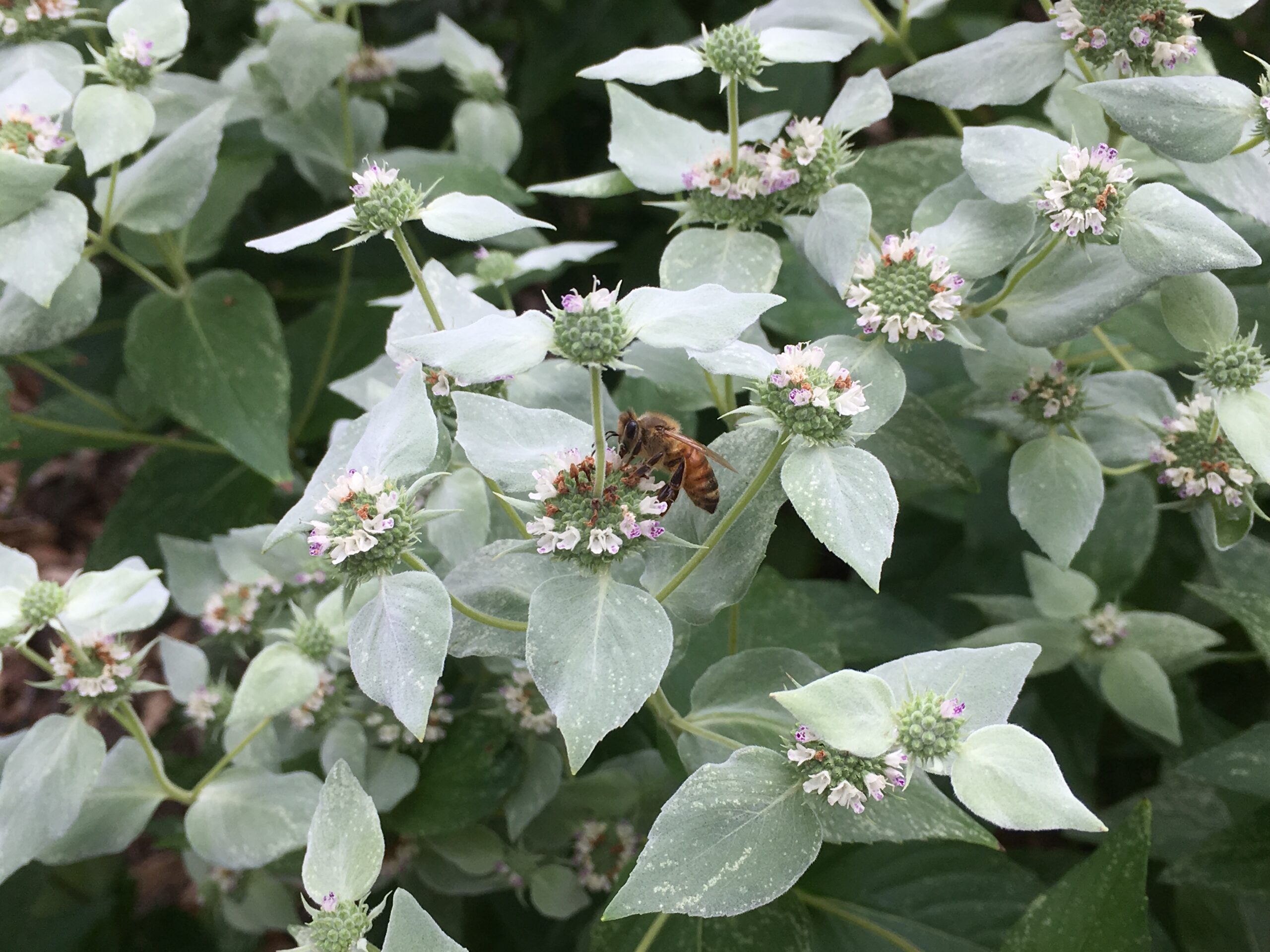
- Mountain mint (Pycnanthemum muticum) is in a class of its own, elegant and silvery, buzzing with activity from many insect types at once. Don’t be afraid of the solitary wasps that love them. They’re docile, just looking for sustenance. Mint can spread, but it’s easy to pull up and share with friends or make tea!
Grow a Hummingbird Garden
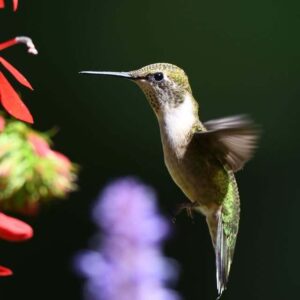
Ruby-throated hummingbirds begin migrating north through South Carolina in March, closely tracking the blooming of nectar-rich flowers. Hummers require near constant, high-energy food from tubular flowers, especially red/red-orange. They also eat up to 2,000 insects a day, another good reason to grow natives and nix pesticides.
Plant some of these and help hummingbirds thrive:
- Early season: red buckeye (Aesculus pavia), coral honeysuckle (Lonicera sempervirens), crossvine (Bignonia capreolata), and native azaleas (Rhododendron spp.). Ruby-throated hummingbirds are the primary pollinator of Eastern columbine (Aquilegia canadensis).
- Late spring and summer: beardtongues (Penstemon), bee balms (Monarda), and native Salvia species
- Summer: scarlet rosemallow (Hibiscus coccineus), swamp rose mallow (H. moscheutos), and turk’s cap (Malvaviscus drummondii)
- Late Season: cardinal flower (Lobelia cardinalis)
Build a Butterfly Nursery
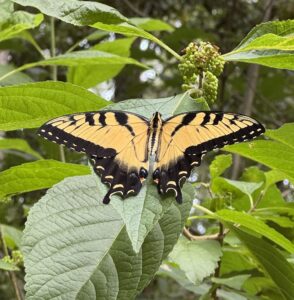
Create a butterfly haven by stocking your garden with native nectar plants adult butterflies want, and the plants species they require to lay their eggs on as food for their caterpillars. Everyone loves to find baby caterpillars and watch them grow! A garden like this is home to generations of butterflies, not just a quick stop for nectar.
Look up more butterfly and moth host plants at NWF’s Native Plant Finder. Here are a few to start with:
- Golden alexanders (Zizia aurea) feed black swallowtail caterpillars and others.
- Little bluestem grass (Schizachyrium scoparium) feeds nine species of butterflies and moths. Native grasses massed together look spectacular in fall and provide shelter for tiny wildlife.
- Milkweed (Asclepias) is essential for Monarch caterpillars!
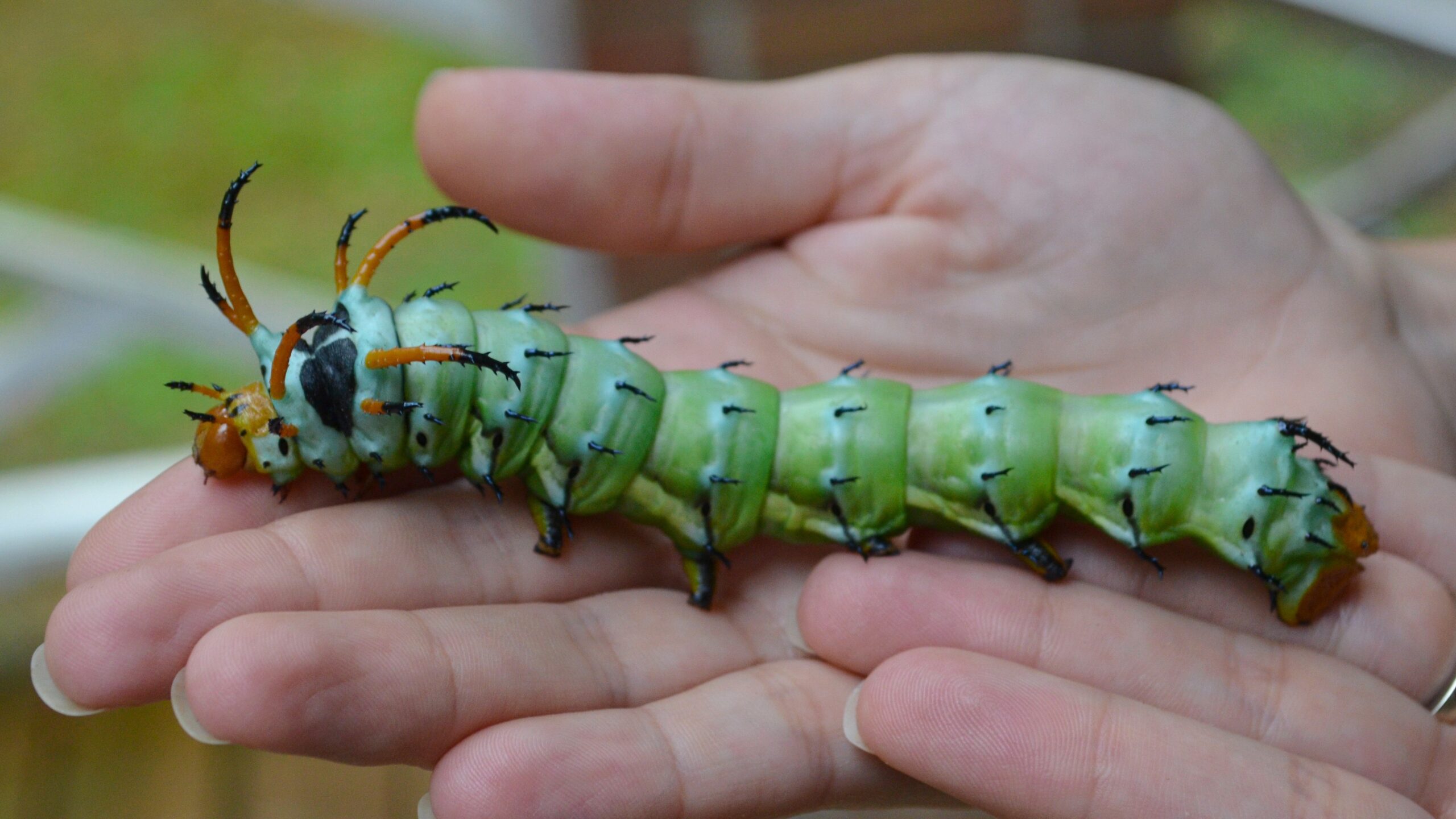
- Persimmons (Diospyros virginiana) tick all the ecological boxes, as larval hosts for Luna moths and the hickory horndevil, as a huge nectar source for bees, with delicious fruit (with female trees) good for people and wildlife.
- Shining sumac (Rhus copallina) hosts the magnificent Luna moth and others, is an important nectar source in the hot summer, and birds love the berries.
- Violets are sweet groundcovers that host fritillary butterflies and the great leopard moth among many other species.
Feed the Bees
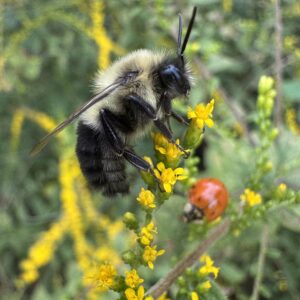
Did you know there are about 400 species of native bees in South Carolina? Yes, 400! Where are they all? Most are small, solitary nesters making a living unnoticed all around us, in patches of bare ground, twigs, and leaves at the margins of our yards and buildings. They need pollen and nectar from early spring through to frost. But not just any plants.
Around 100 native bee species are called specialists. To feed their larvae, they need specific nectar/pollen (with a corresponding bloom time), and have anatomy adapted to specific native flower shapes. Want a deeper dive? Follow author of pollinator books Heather Holm and researcher Jared Fowler.
Many plants in the Keystone section above fill the bill for specialists. A few more:
- Blueberries (Vaccinium) are gorgeous shrubs and essential food for the Southeast blueberry bee (which also go for redbuds and Carolina jessamine) and bumblebees. And then there are the delicious berries for people and wildlife, too.
- Goldenasters (Chrysopsis) are what a dozen specialist bee species are looking for in South Carolina.
- Perennial sunflowers (Helianthus) offer abundant food for many specialist bees and other pollinators. Goldfinches and sparrows love the seeds.
Native Plants are Bird Food
Birds rely on native plants not only for seeds and berries, but also for insects. Remember that 96 percent of land-based birds feed their babies insects. Even hummingbirds do! Layering your landscape with native trees, shrubs, grasses, and perennials offers birds nourishment and shelter throughout the year.
Try trees and shrubs that fruit at different times, like blueberries in spring, and American beautyberry (Callicarpa americana), pawpaw (Asimina triloba) and persimmon later. Wild black cherry (Prunus serotina) is one of the all-around best trees for birds, as a larval host for hundreds of caterpillar species and loaded with small fruit, too. Native grasses provide seeds and structure, and left over winter, create important shelter and habitat.
When we plant with ecological purpose, our gardens are so much more than pretty. They are a lifeline to the living network we share the world with. As we grow as gardeners, may we all continue discovering more fascinating connections that inspire us to know that network more deeply. Happy planting!
Photos: Hummingbird © Gabor Pallagi CC-By-NC, others by Lynn Yenkey