
Asteraceae
eastern aromatic aster
Symphyotrichum oblongifolium
Synonyms
Aster oblongifolius
Lasallea oblongifolia
Virgulus oblongifolius
Other Common Names
shale-barren aster
Plant Type
Herbaceous Wildflower
Life Cycle
Perennial
Typical Size
1-3 ft. tall
1-3 ft. wide
Tolerant of
Deer, Drought
Inolerant of
Poorly Drained Soil
Propagation
By seed
Plant Propagation Notes
Cold moist stratify seed for 30-60 days.
Plants/Diseases
No significant pest or disease problems, but can be susceptible to powdery mildew and aster wilt.
Wildlife Benefits
Nectar/pollen source for pollinating insects
Leaves
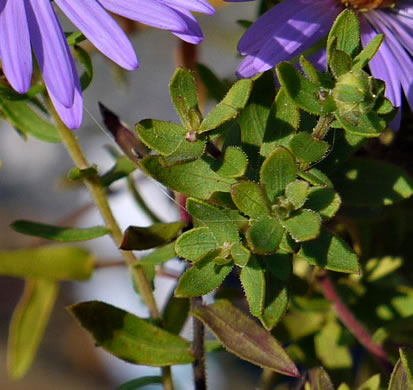
Leaves simple and alternate, aromatic when crushed.
Flowers
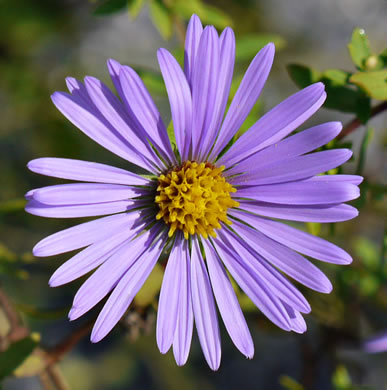
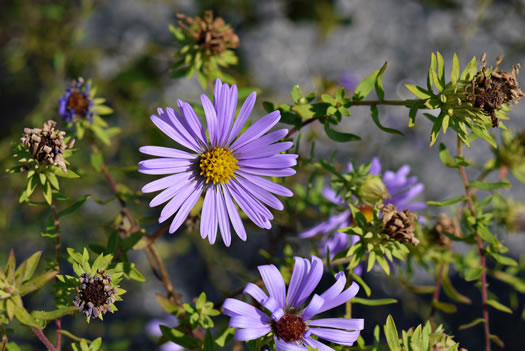
Purple/lavender ray flowers, yellow disc flowers.
Fruit
Achene.
Toxicity
No known toxicity.
USDA Hardiness Zones
3, 4, 5, 6, 7, 8
Light Exposure
Full Sun
Soil Moisture
Dry, Medium
Soil Drainage
Well-drained
Soil pH
Neutral (6.0-8.0), Basic (greater than 8.0)
Native in South Carolina?
No
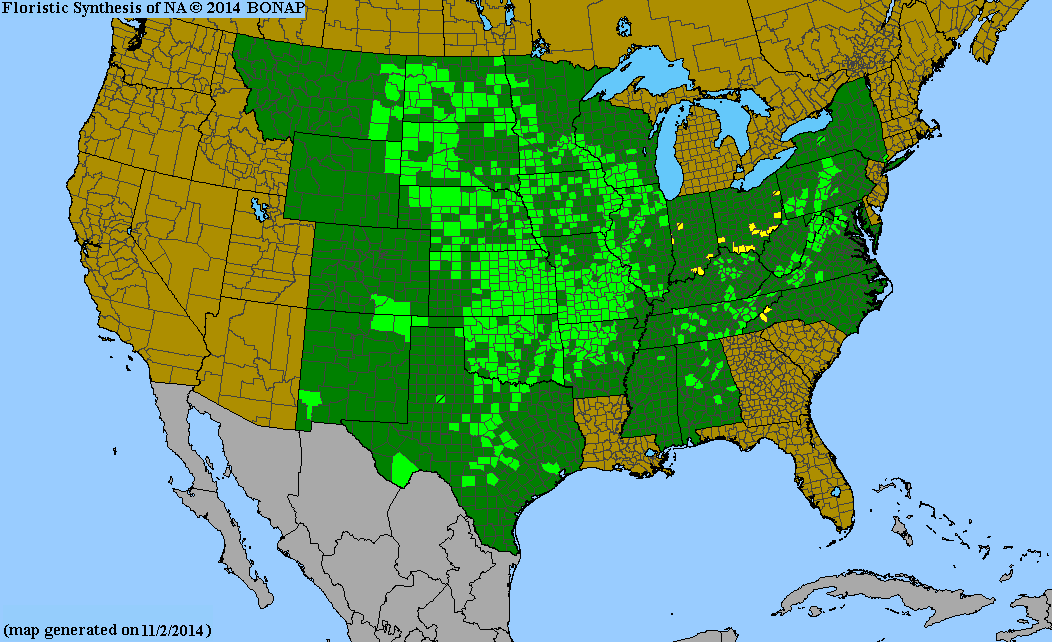
Closest States Where Native
Georgia, Tennessee, North Carolina
Plant Native Habitat
Rock outcrops, dry woodlands, and prairies over limestone and calcareous soils.
Global Conservation Status (NatureServe)
Secure (G5)
Federal Conservation Status (USFWS)
Not Listed
Distribution Notes
Absent from the mountains, piedmont, and coastal plain.