
Apocynaceae
few-flowered milkweed
Asclepias lanceolata
Other Common Names
smooth orange milkweed
Plant Type
Herbaceous Wildflower
Life Cycle
Perennial
Typical Size
3-5 ft. tall
.5-1 ft. wide
Tolerant of
Occasional Flooding
Inolerant of
Dry Soil
Propagation
By seed
Plant Propagation Notes
Stored seed requires cold moist stratification for 30-90 days to germinate.
Plant Planting Notes
Plant in an area that does not dry out frequently.
Plants/Diseases
No significant pest or disease issues. Aphids can be an issue at high quantities.
Wildlife Benefits
Nectar/pollen source for pollinating insects, Host plant for butterfly larvae
Leaves
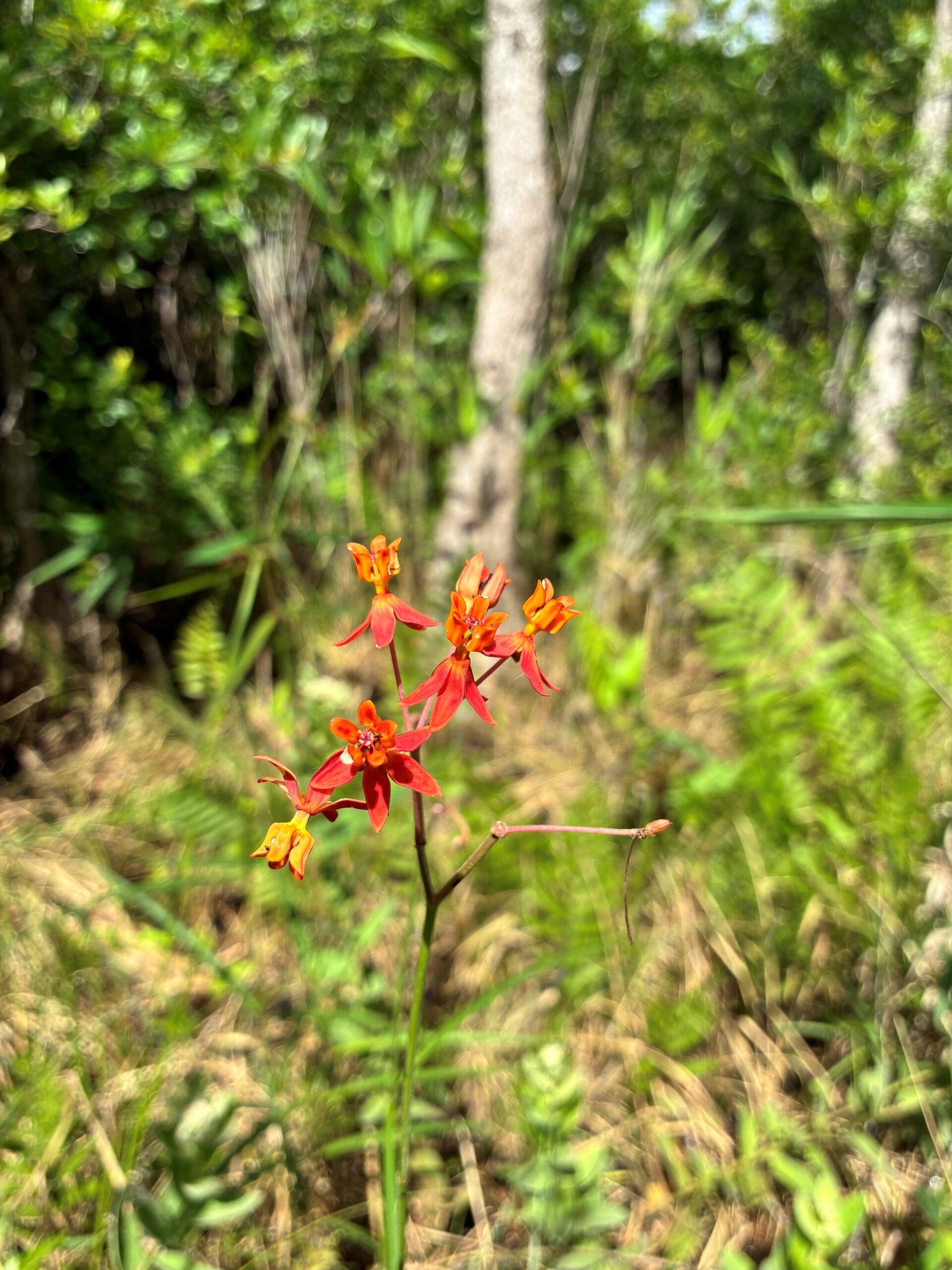
Thin lanceolate leaves are arranged opposite along the stem and have entire margins.
Flowers
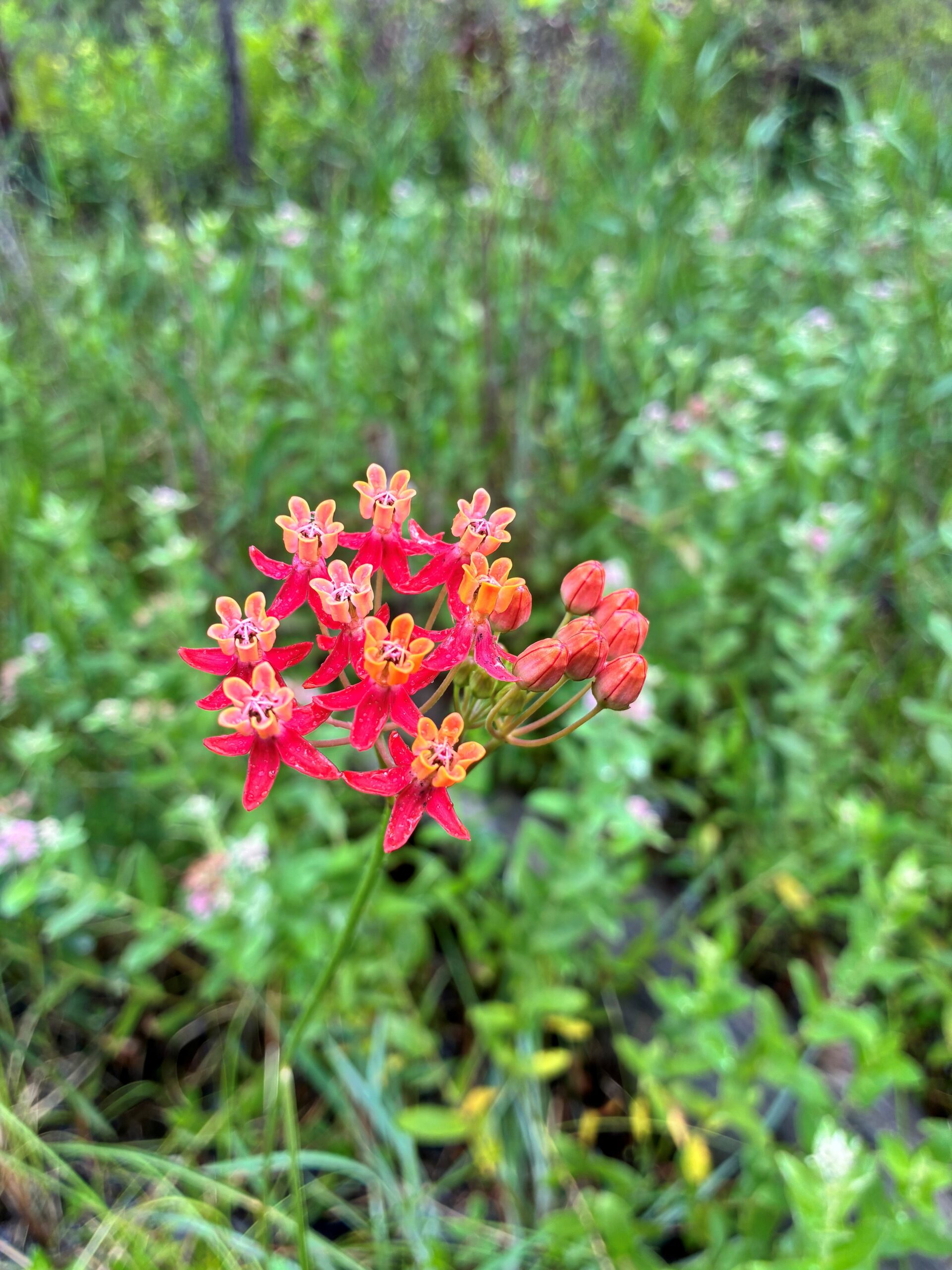
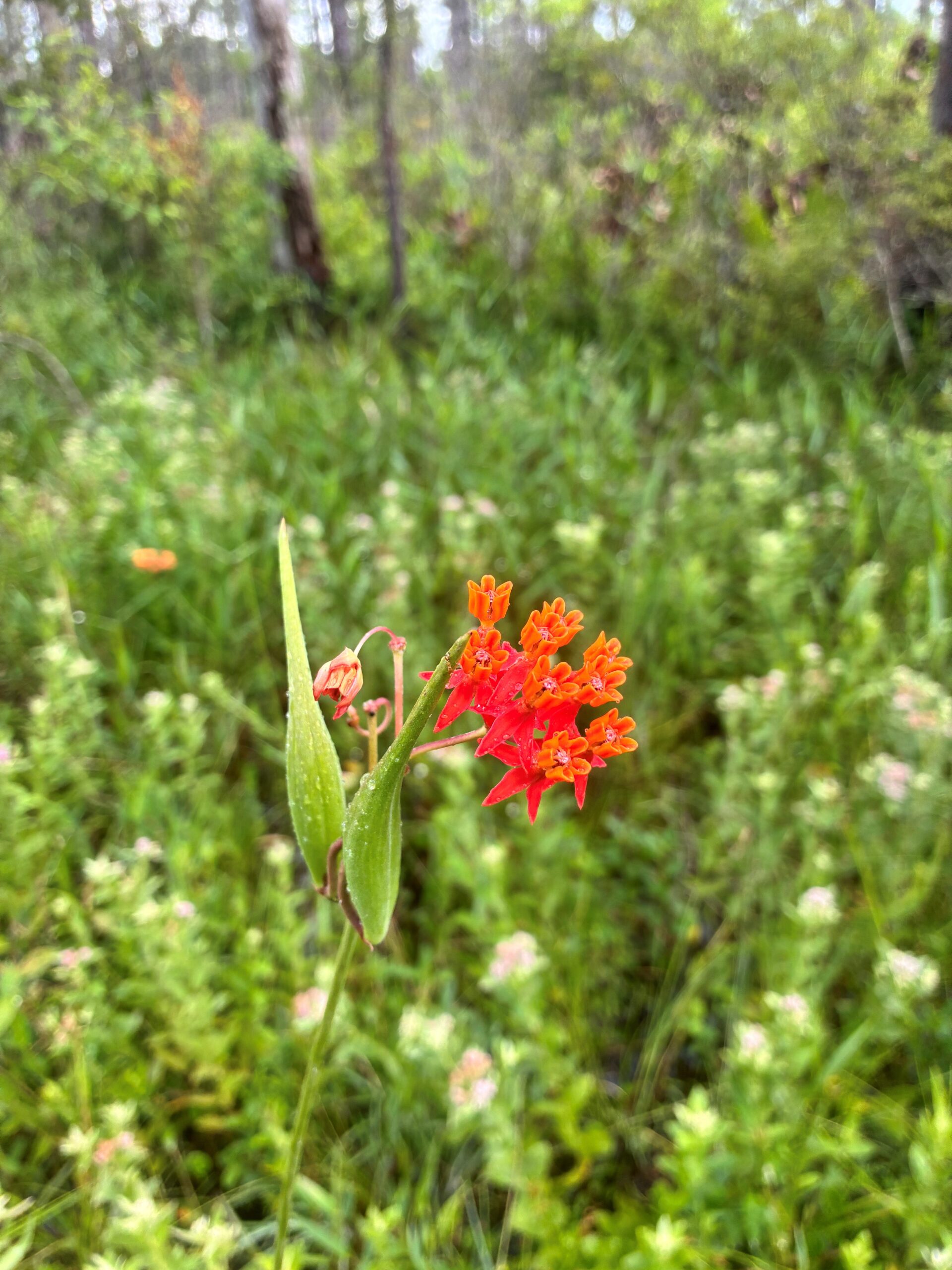
Red and orange radially symmetrical flowers with five petals.
Fruit
Thin spindle shaped follicle that contains flat, round brown seeds that are wind dispersed.
Toxicity
Mild toxicity and should not be consumed.
USDA Hardiness Zones
5, 6, 7, 8, 9, 10
Light Exposure
Full Sun, Part Sun/Shade
Soil Moisture
Moist, Aquatic Plant
Soil Drainage
Well-drained, Poorly Drained
Native in South Carolina?
Yes
Plant Native Habitat
Swamps, fresh to slightly brackish marshes, wet pine savannas, and roadside ditches.
Global Conservation Status (NatureServe)
Secure (G5)
Federal Conservation Status (USFWS)
Not Listed
Distribution Notes
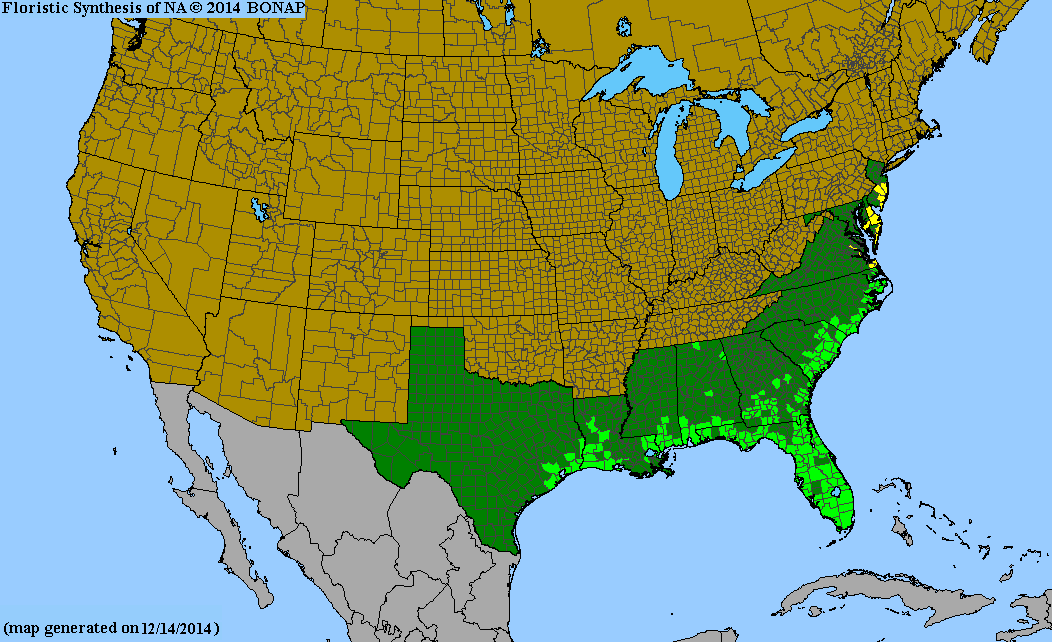
Common in the coastal plain. Absent from the piedmont and mountains.