
Ranunculaceae
tall anemone
Anemone virginiana
Synonyms
Anemone riparia
Other Common Names
thimbleweed
Plant Type
Herbaceous Wildflower
Life Cycle
Perennial
Typical Size
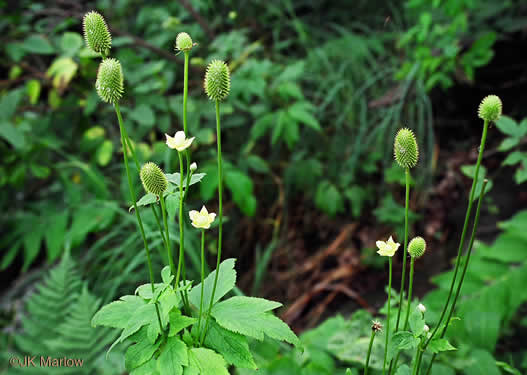
2-4 ft. tall
1-2 ft. wide
Tolerant of
Drought
Inolerant of
Poorly Drained Soil
Propagation
By seed, By division
Plant Propagation Notes
Cold moist stratify seeds for at least 60 days.
Plants/Diseases
No significant pest or disease issues. Root rot can occur in soils that stay wet to long.
Wildlife Benefits
Nectar/pollen source for pollinating insects
Leaves
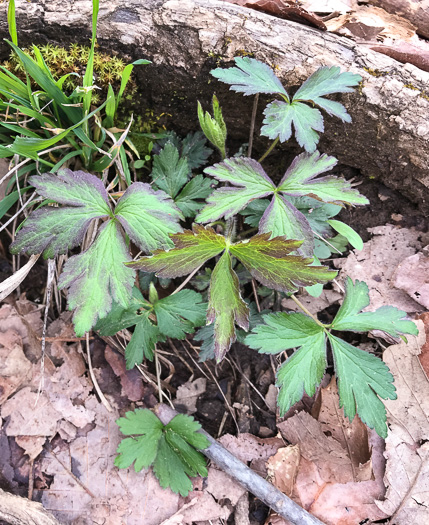
Palmately compound leaves arranged in whorls and around the base of the plant.
Flowers
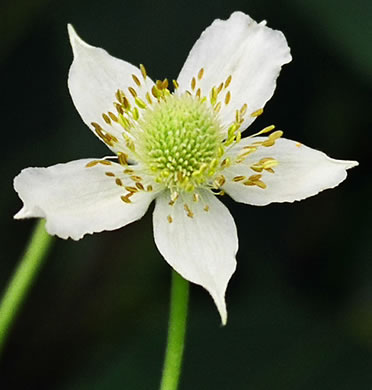
Shower white flowers born singly with 4-5 petals and a thimble like center.
Fruit
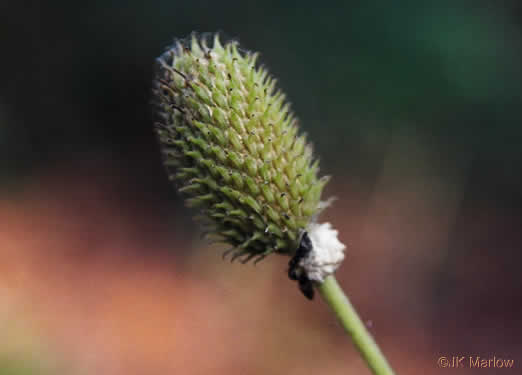
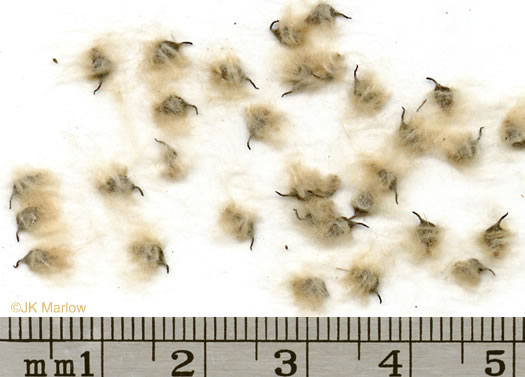
Achenes that eventually open and have a cottony appearance. Seed is wind dispersed.
Toxicity
Some people have a reaction when skin comes in contact with sap. Mildly toxic and should not be consumed.
USDA Hardiness Zones
3, 4, 5, 6, 7, 8
Light Exposure
Part Sun/Shade, Full Shade
Soil Moisture
Dry, Medium, Moist
Soil Drainage
Well-drained
Soil pH
Acidic (less than 6.0), Neutral (6.0-8.0)
Native in South Carolina?
Yes
Plant Native Habitat
Forests, woodlands, and prairies with rich soils.
Global Conservation Status (NatureServe)
Secure (G5)
Federal Conservation Status (USFWS)
Not Listed
Distribution Notes
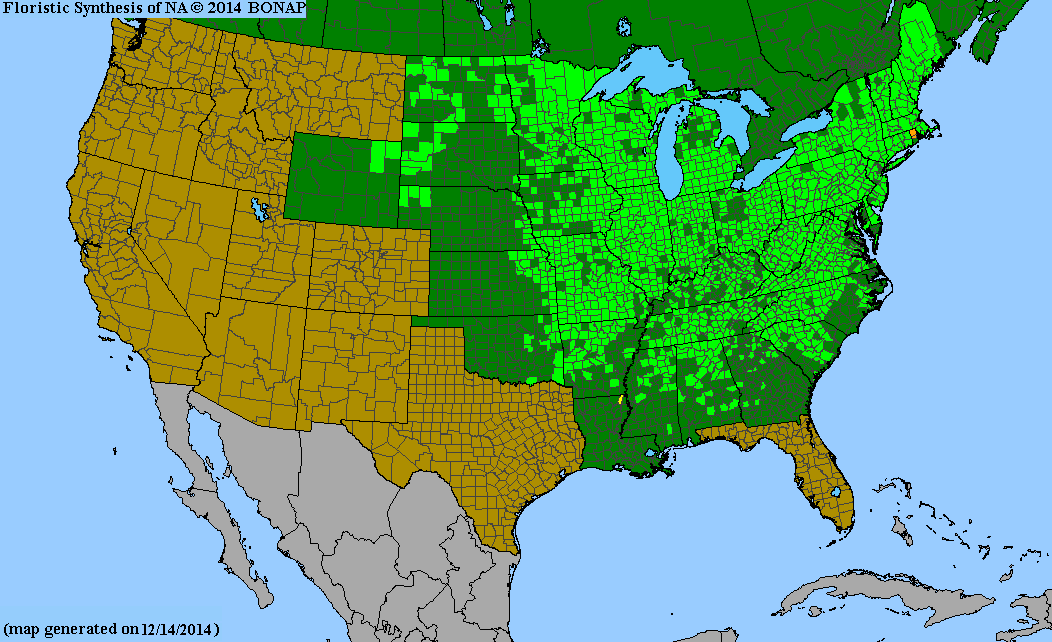
Rare in the coastal plain. Uncommon in the piedmont. Common in the mountains.
Subspecies
Anemone virginiana var. alba
Anemone virginiana var. virginiana