
Aspleniaceae
ebony spleenwort
Asplenium platyneuron
Synonyms
Asplenium ebeneum
Other Common Names
brownstem spleenwort
Plant Type
Fern
Typical Size
1 ft. tall
1 ft. wide
Tolerant of
Deer, Drought
Inolerant of
Poorly Drained Soil, Direct Afternoon Sun
Propagation
By division
Plant Propagation Notes
Ferns reproduce by spores rather than seeds, so division is the most common form of propagation.
Plant Planting Notes
Does well in shady, dry, rocky woodlands. Though not required, it prefers a soil pH of 4.5 to 5.
Plants/Diseases
Susceptible to crown rot in poorly drained soils or other conditions where the plant remains wet for too long.
Leaves
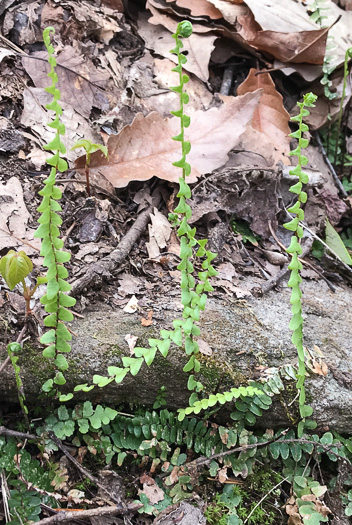
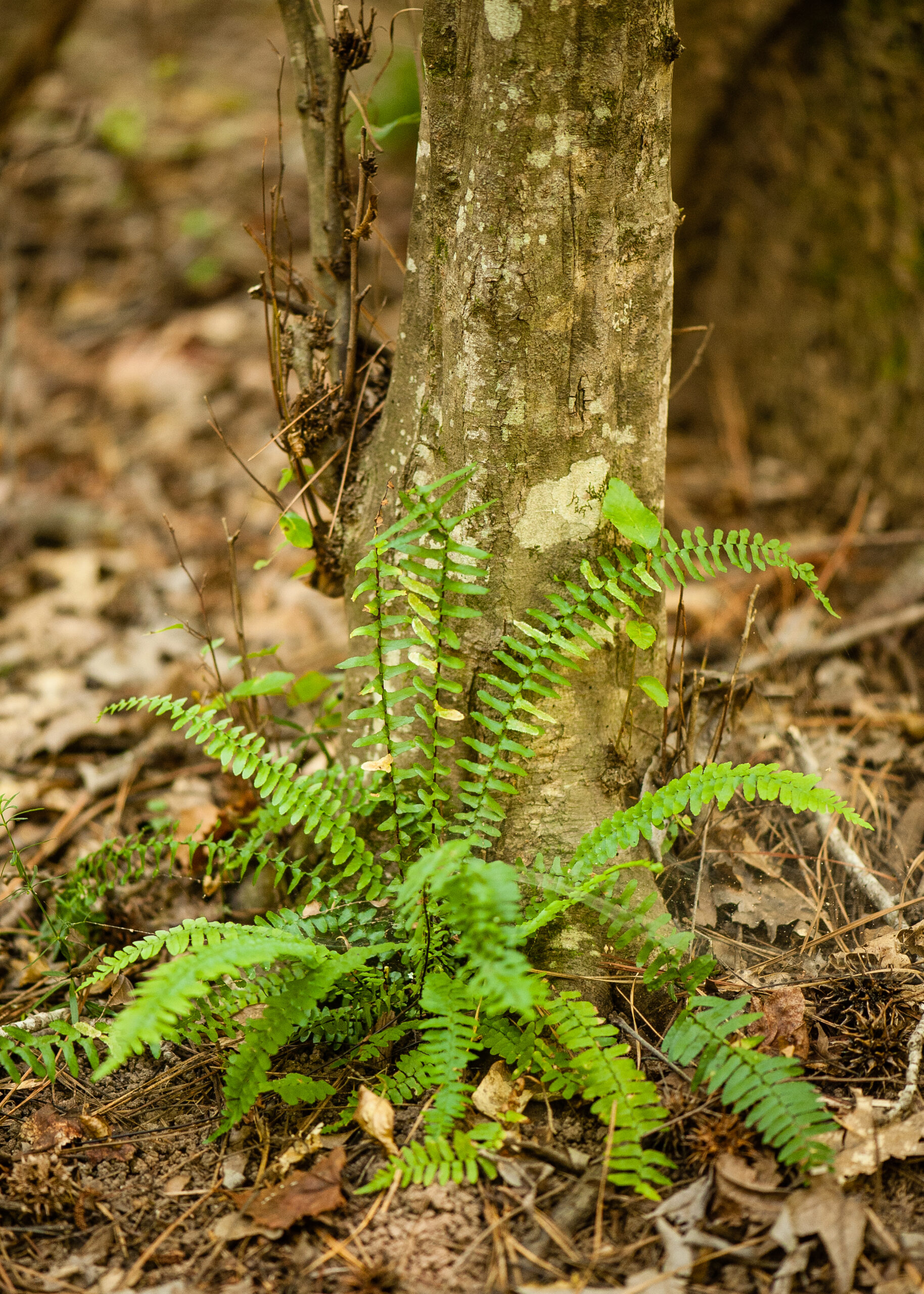
Compound fronds with alternate leaflets with serrate margins.
Toxicity
No known toxicity.
USDA Hardiness Zones
3, 4, 5, 6, 7, 8, 9
Light Exposure
Part Sun/Shade, Full Shade
Soil Moisture
Moist
Soil Drainage
Well-drained
Soil pH
Neutral (6.0-8.0), Basic (greater than 8.0)
Native in South Carolina?
Yes
Plant Native Habitat
Dry forests, woodlands, old fields, calcareous rock outcrops, and in masonry crevices.
Global Conservation Status (NatureServe)
Secure (G5)
Federal Conservation Status (USFWS)
Not Listed
Distribution Notes
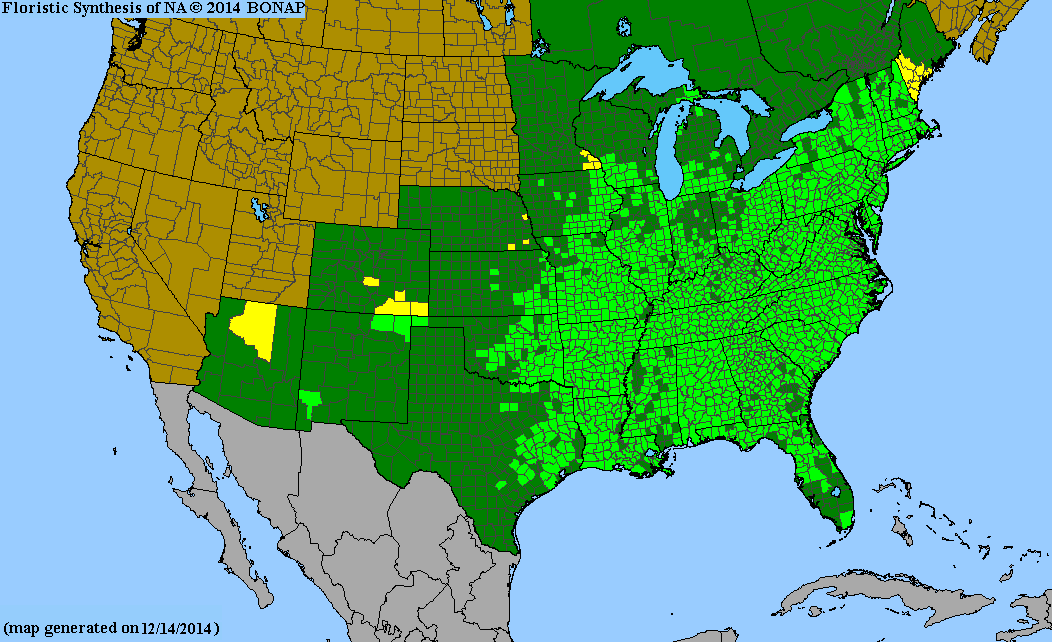
Common in the coastal plain, piedmont, and mountains.
Subspecies
A. platyneuron var. incisum
A. platyneuron var. bacculum-rubrum