
Juglandaceae
shagbark hickory
Carya ovata
Synonyms
Hicoria ovata
Plant Type
Large Tree (greater than 25 ft)
Life Cycle
Perennial
Typical Size
70-90 ft. tall
50-70 ft. wide
Tolerant of
Drought, Occasional Flooding
Inolerant of
Poorly Drained Soil
Propagation
By seed
Plant Propagation Notes
Fresh seed can be germinated immediately. stored seed should be cold moist stratified for up to 150 days. Older seed needs less stratification.
Plants/Diseases
Hickory bark beetle, pecan weevil, and twig girdler occasionally afflict this tree.
Wildlife Benefits
Host plant for butterfly larvae, Fruit/seeds for birds, Supports numerous caterpillars (bird food)
Leaves
Alternate, palmately compound leaves with 5-7 leaflets that have serrate margins.
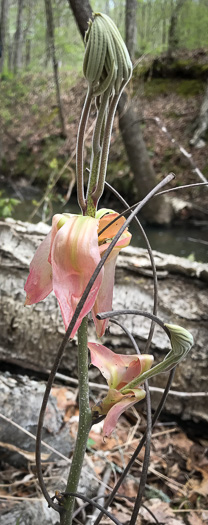
Flowers
Green to yellow catkins.
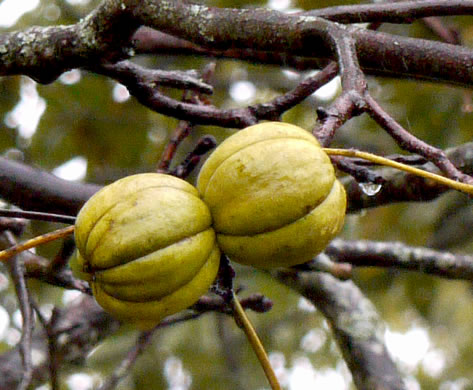
Fruit
Nut.
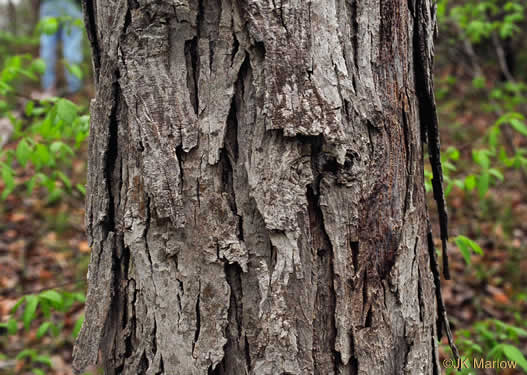
Bark
Dark grey or brown with significantly exfoliating bark.
Toxicity
No known toxicity.
Edibility
Nuts are edible.
Ethnobotanical Use
The hardwood was historically used in wheel spokes. Bark was used to make a yellow die. High fuel value.
USDA Hardiness Zones
4, 5, 6, 7, 8
Light Exposure
Full Sun, Part Sun/Shade
Soil Moisture
Dry, Medium, Moist
Soil Drainage
Well-drained
Soil pH
Acidic (less than 6.0), Neutral (6.0-8.0)
Native in South Carolina?
Yes
Plant Native Habitat
Largely rich moist bottomlands, but occasionally on dry upland flats.
Global Conservation Status (NatureServe)
Secure (G5)
Federal Conservation Status (USFWS)
Not Listed
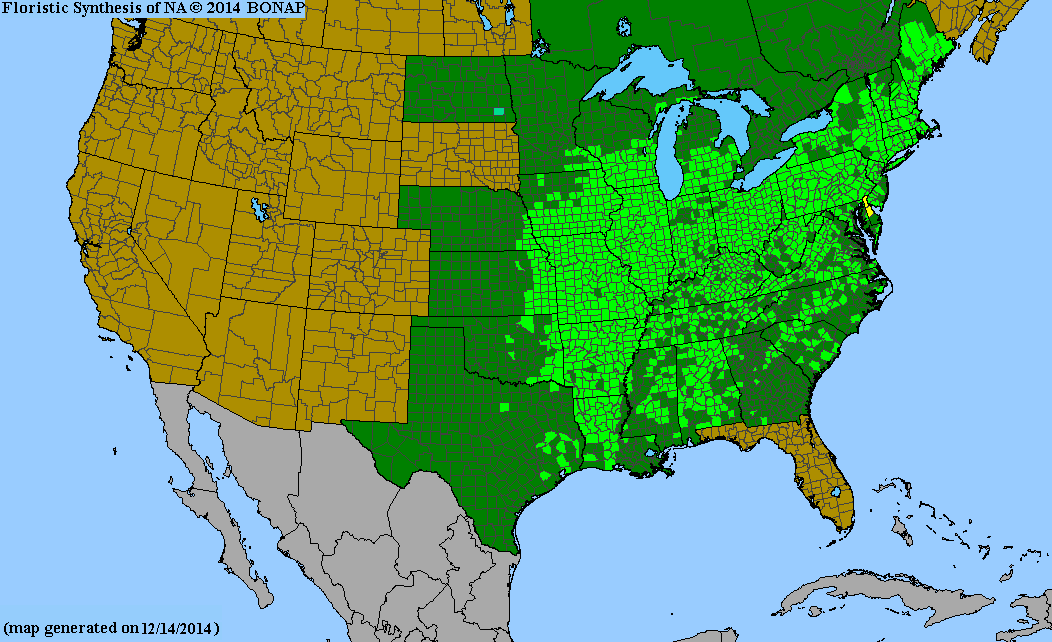
Distribution Notes
Uncommon in the coastal plain, piedmont, and mountains.