
Betulaceae
American hornbeam
Carpinus caroliniana
Other Common Names
ironwood, muscle tree, water beech, muscle wood
Plant Type
Large Tree (greater than 25 ft)
Life Cycle
Perennial
Typical Size
20-30 ft. tall
20-35 ft. wide
Tolerant of
Occasional Flooding
Inolerant of
Dry Soil, Direct Afternoon Sun
Propagation
By seed
Plant Propagation Notes
Fresh seed can be planted directly in the ground in the fall. Stored seed should be cold moist stratified for 60-90 days.
Plants/Diseases
Occasionally experiences leaf spots, cankers, and twig blight.
Wildlife Benefits
Host plant for butterfly larvae, Fruit/seeds for birds
Leaves
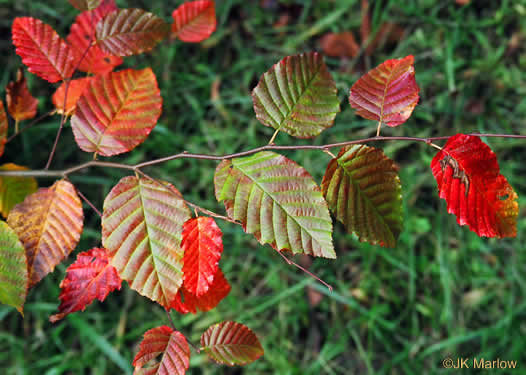
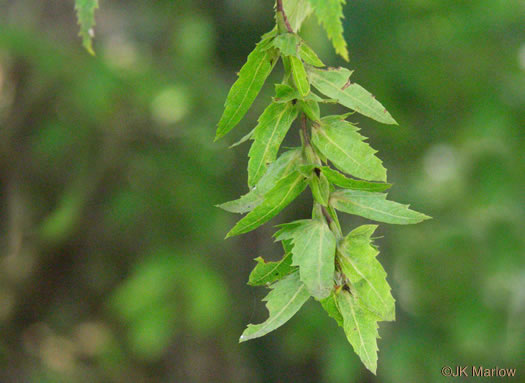
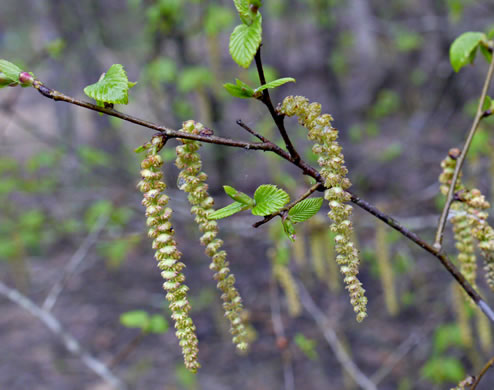
The simple, oblong leaves are alternate and have double serrate margins.
Flowers
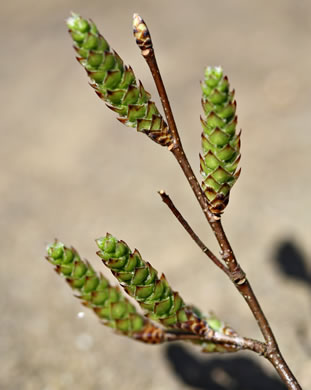
Separate male (catkins) and female flowers on the same tree.
Fruit
Nutlet with three lobed green scales that aid in wind dispersal.
Bark
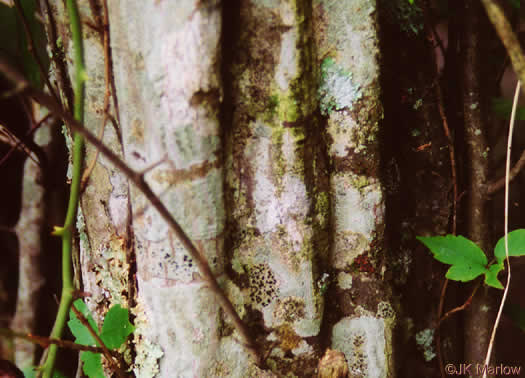
Dark grey, smooth, and sinewy.
Toxicity
No known toxicity.
Ethnobotanical Use
The dense tough wood has been carved into a variety of parts such as tool handles as well as dishware.
USDA Hardiness Zones
3, 4, 5, 6, 7, 8, 9
Light Exposure
Part Sun/Shade, Full Shade
Soil Moisture
Moist
Soil Drainage
Well-drained
Soil pH
Acidic (less than 6.0), Neutral (6.0-8.0)
Native in South Carolina?
Yes
Plant Native Habitat
Forested areas along streambanks, bottomland forests, and maritime forests.
Global Conservation Status (NatureServe)
Secure (G5)
Federal Conservation Status (USFWS)
Not Listed
Distribution Notes
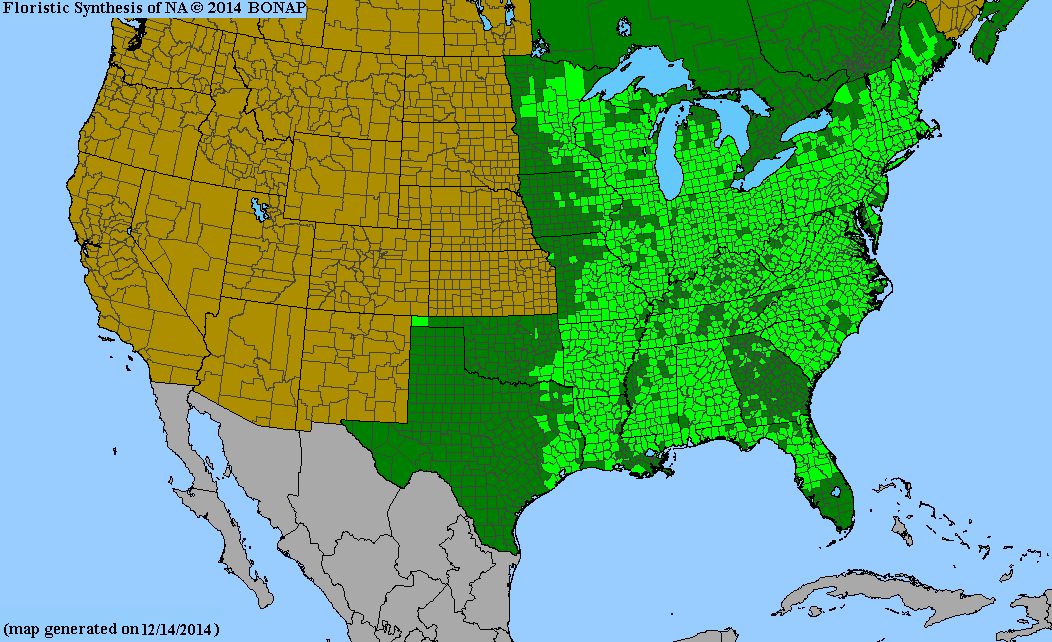
Carpinus caroliniana var. caroliniana common in the coastal plain, uncommon in the piedmont, and rare in the mountains.
Carpinus caroliniana var. virginiana common in the piedmont and mountains. Absent from the coastal plain.
Subspecies
Carpinus caroliniana var. caroliniana
Carpinus caroliniana var. virginiana