
Cyperaceae
plantainleaf sedge
Carex plantaginea
Other Common Names
seersucker sedge
Plant Type
Grass/Grass-like
Life Cycle
Perennial
Typical Size
0.5-3 ft. tall
>1 ft. wide
Tolerant of
Occasional Flooding
Inolerant of
Dry Soil, Direct Afternoon Sun
Propagation
By division
Plant Propagation Notes
Established clumps can be divided at the crown in spring or fall.
Plants/Diseases
No significant pest or disease issues.
Wildlife Benefits
Fruit/seeds for birds
Leaves
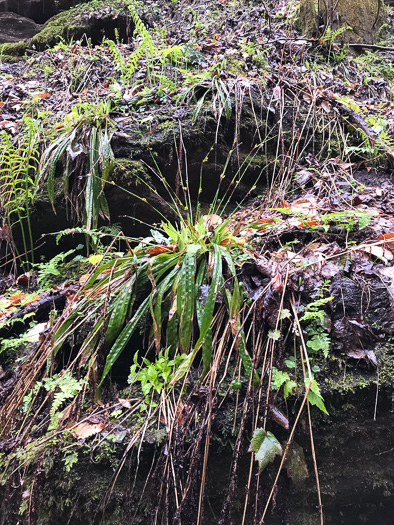
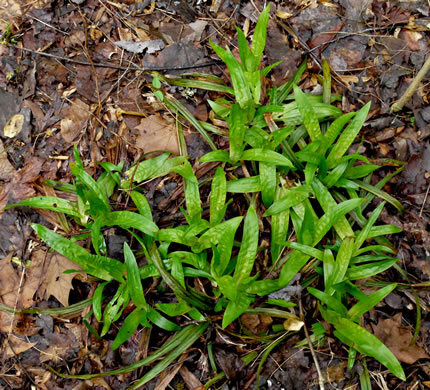
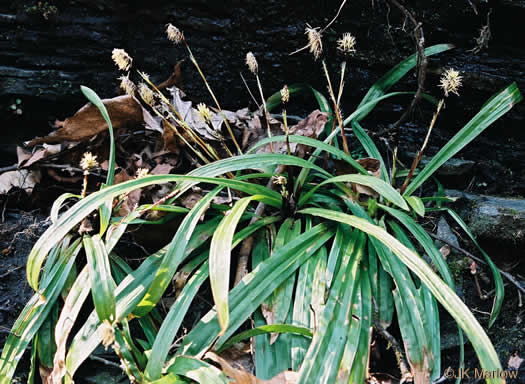
Simple, linear sheath with entire margins. Leaf surface has a seersucker texture.
Flowers
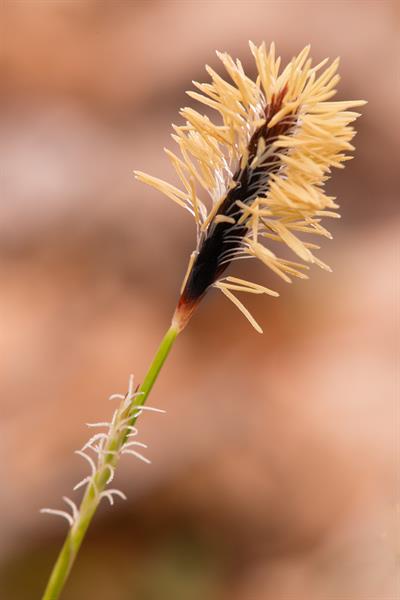
Showy brown to copper or even purple flowers in spikes on long inflorescences held high above the foliage.
Fruit
Achene.
Toxicity
No known toxicity.
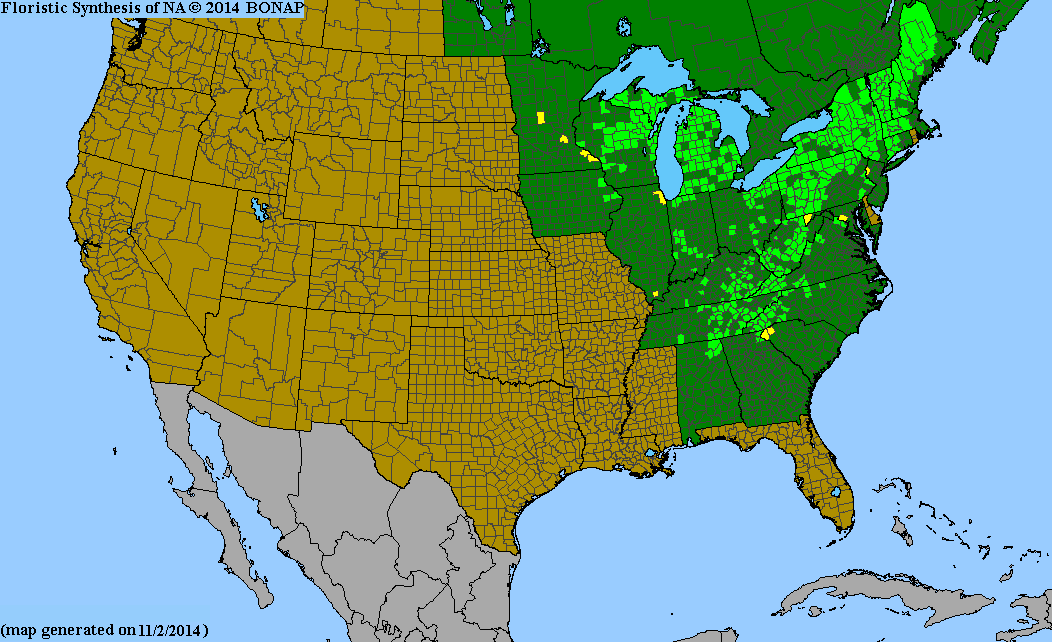
USDA Hardiness Zones
3, 4, 5, 6, 7, 8
Light Exposure
Part Sun/Shade, Full Shade
Soil Moisture
Moist
Soil Drainage
Well-drained
Soil pH
Neutral (6.0-8.0), Basic (greater than 8.0)
Native in South Carolina?
Yes
Plant Native Habitat
Rich forests, mostly over mafic or calcareous rocks.
Global Conservation Status (NatureServe)
Secure (G5)
Federal Conservation Status (USFWS)
Not Listed
Distribution Notes
Rare in the piedmont and the mountains. Absent from the coastal plain.