
Asteraceae
false aster
Boltonia asteroides
Other Common Names
eastern doll's-daisy
Plant Type
Herbaceous Wildflower
Life Cycle
Perennial
Typical Size
3-5 ft. tall
2-3 ft. wide
Tolerant of
Occasional Flooding
Inolerant of
Dry Soil
Propagation
By seed, By division
Plant Propagation Notes
Cold moist stratification for at least 60 days. Surface sow to expose seeds to sunlight.
Plant Planting Notes
Easy spreader and can be aggressive in optimal growing conditions.
Plants/Diseases
No significant pest or disease issues.
Wildlife Benefits
Nectar/pollen source for pollinating insects
Leaves
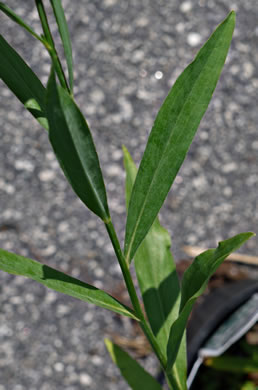
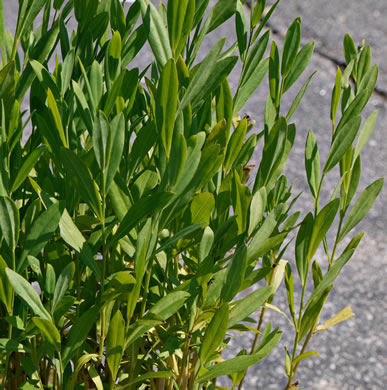
Simple linear to lanceolate leaves arranged alternately along the stem.
Flowers
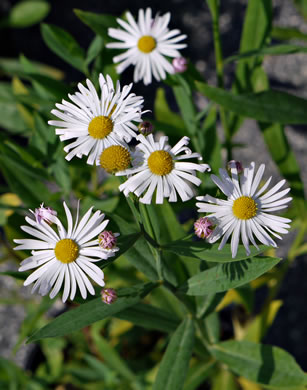
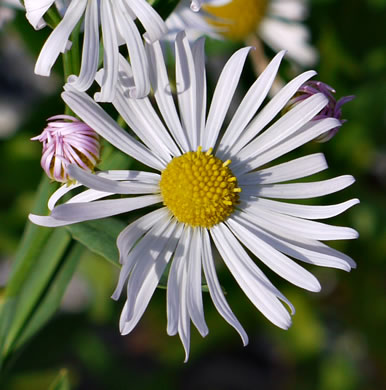
Usually white outer ray flowers with yellow disc flowers. Sometimes the ray flowers are pink or lavender.
Fruit
Achene.
Toxicity
No known toxicity.
USDA Hardiness Zones
3, 4, 5, 6, 7, 8, 9, 10
Light Exposure
Full Sun, Part Sun/Shade
Soil Moisture
Moist
Soil Drainage
Well-drained, Poorly Drained
Soil pH
Neutral (6.0-8.0)
Native in South Carolina?
Yes
Plant Native Habitat
Cypress savannas, marshes, and ditches.
Global Conservation Status (NatureServe)
Secure (G5)
Federal Conservation Status (USFWS)
Not Listed
Distribution Notes
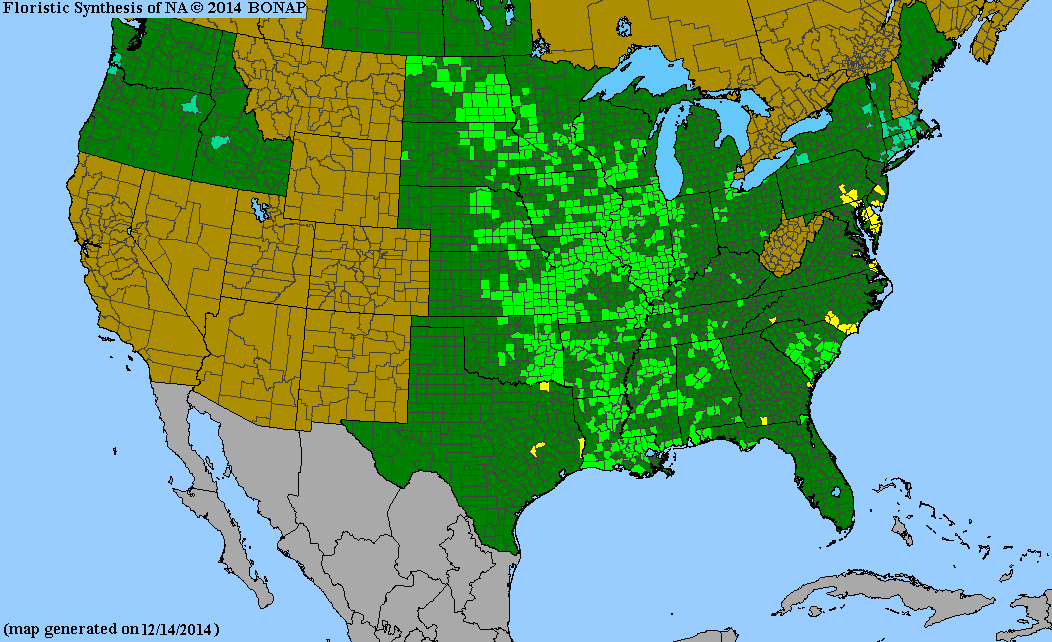
Uncommon in the coastal plain. Rare in piedmont. Unknown in the mountains.
Subspecies
Boltonia asteroides var. asteroides
Boltonia asteroides var. glastifolia
Boltonia asteroides var. latisquama