
Betulaceae
river birch
Betula nigra
Other Common Names
red birch
Plant Type
Large Tree (greater than 25 ft)
Life Cycle
Perennial
Typical Size
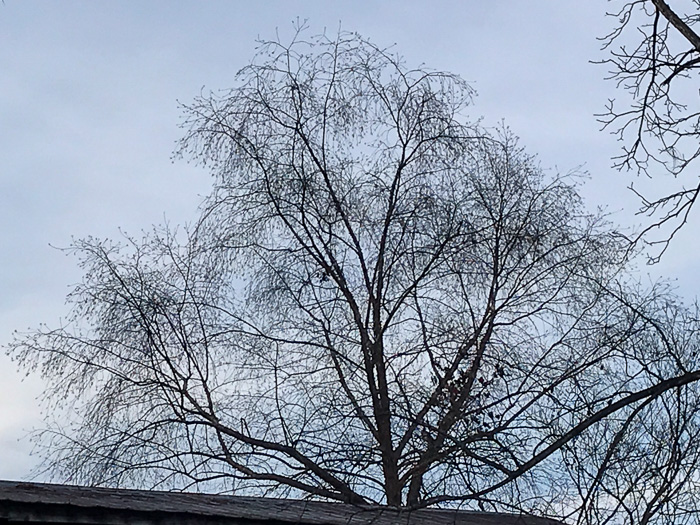
30-70 ft. tall
40-60 ft. wide
Tolerant of
Occasional Flooding
Inolerant of
Dry Soil
Propagation
By seed, By cutting
Plant Propagation Notes
Seed must be cold moist stratified for 30-60 days and surface sown. Light exposure is critical for germination. Softwood cuttings treated with rooting hormone have the best success of rooting.
Plants/Diseases
While river birch is resistant to the bronze birch borer, aphids, leaf miner and birch skeletonizer can cause issues. Also susceptible to leaf spot problems.
Wildlife Benefits
Host plant for butterfly larvae, Fruit/seeds for birds
Leaves
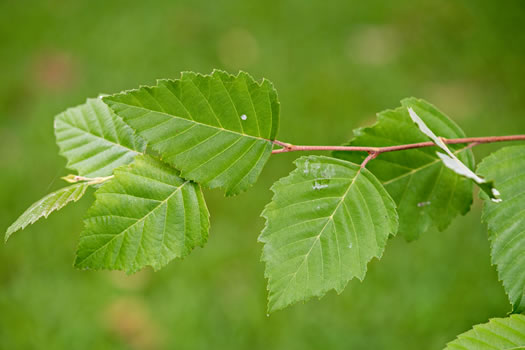
Simple deltoid to ovate leaves that are arranged alternately along the stems and have serrated margins.
Flowers
Light green to yellow catkins.
Fruit
Small nutlets in 1-1.5 ” cone-like fruits.
Bark
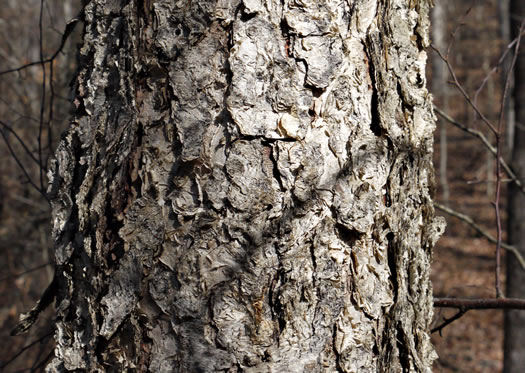
Light brown to orange with a heavily peeling paper layer.
Toxicity
No known toxicity.
Edibility
Nutlets are edible.
USDA Hardiness Zones
4, 5, 6, 7, 8, 9
Light Exposure
Full Sun, Part Sun/Shade
Soil Moisture
Moist
Soil Drainage
Well-drained
Soil pH
Acidic (less than 6.0), Neutral (6.0-8.0)
Native in South Carolina?
Yes
Plant Native Habitat
Riverbanks, streambanks, floodplains, and sandbars.
Global Conservation Status (NatureServe)
Secure (G5)
Federal Conservation Status (USFWS)
Not Listed
Distribution Notes
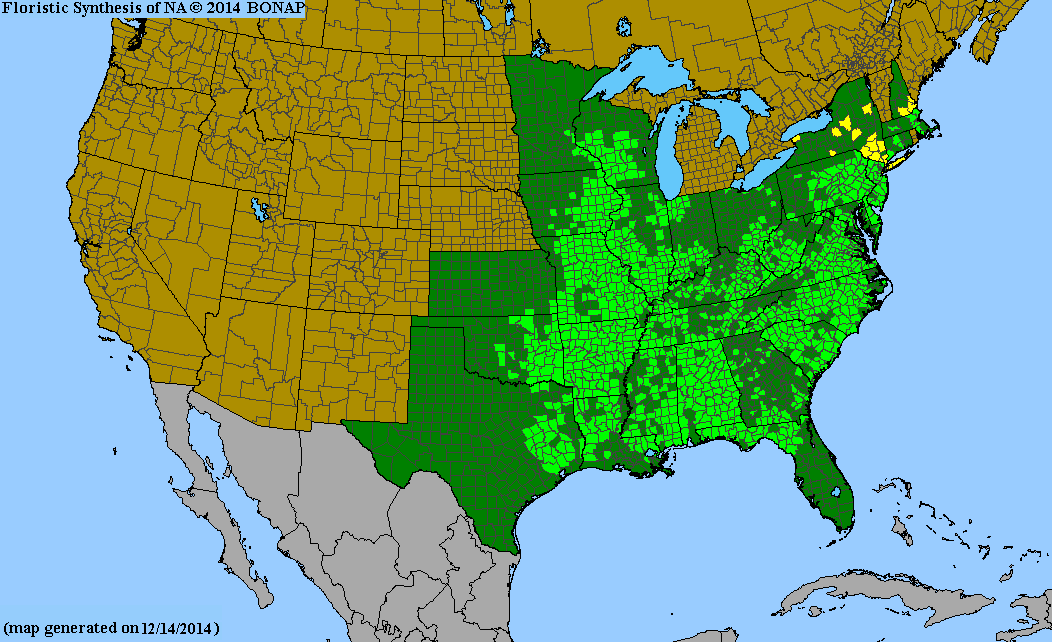
Common through the coastal plain, piedmont, and mountains.