
Cyperaceae
Appalachian sedge
Carex appalachica
Synonyms
Carex radiata
Plant Type
Grass/Grass-like
Life Cycle
Perennial
Typical Size
1-2 ft. tall
1-2 ft. wide
Tolerant of
Drought
Intolerant of
Poorly Drained Soil
Propagation
By seed, By division
Plant Propagation Notes
Best propagated by dividing established clumps in spring or fall. Can be grown from seed that is collected when dry. Requires 30-day cold stratification.
Plant Planting Notes
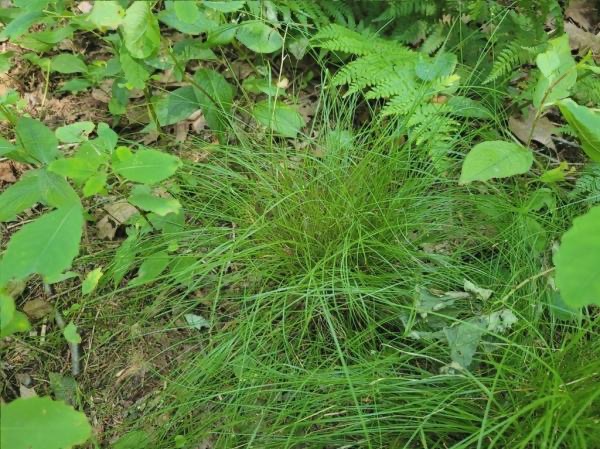
Slow-growing plant but forms attractive colonies. Requires well-drained soils and dry sites. Plant in part-to-full shade in spring or fall season.
Pests/Diseases
Rust and crown or root rots can occur with over-watering.
Wildlife Benefits
Host plant for butterfly larvae, Fruit/seeds for birds
Leaves
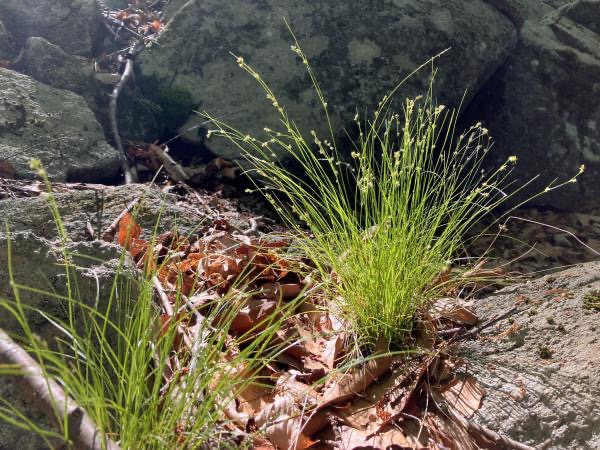
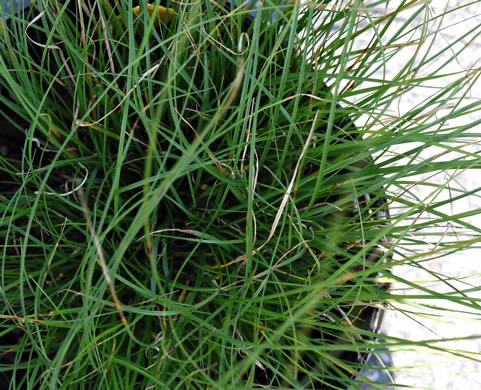
Fine-textured, narrow, deep green leaves. Leaf margins are serrulate. Widest leaf blade 0.9-1.5 mm
Flowers
Small, inconspicuous, and wispy green-to-white flowers that form delicate spikes.
Fruit
Perigynia and achenes. Green to tan in color and are typically lance-shaped or egg-shaped (obovate).
Toxicity
Non-toxic to humans, dogs, and cats.
Edibility
Young leaves are edible
Ethnobotanical Use
Often used for weaving baskets, rope, mats and clothing
USDA Hardiness Zones
4, 5, 6, 7, 8
Light Exposure
Part Sun/Shade, Full Shade
Soil Moisture
Dry, Medium
Soil Drainage
Well-drained
Soil pH
Acidic (less than 6.0), Neutral (6.0-8.0)
Native in South Carolina?
Yes
Plant Native Habitat
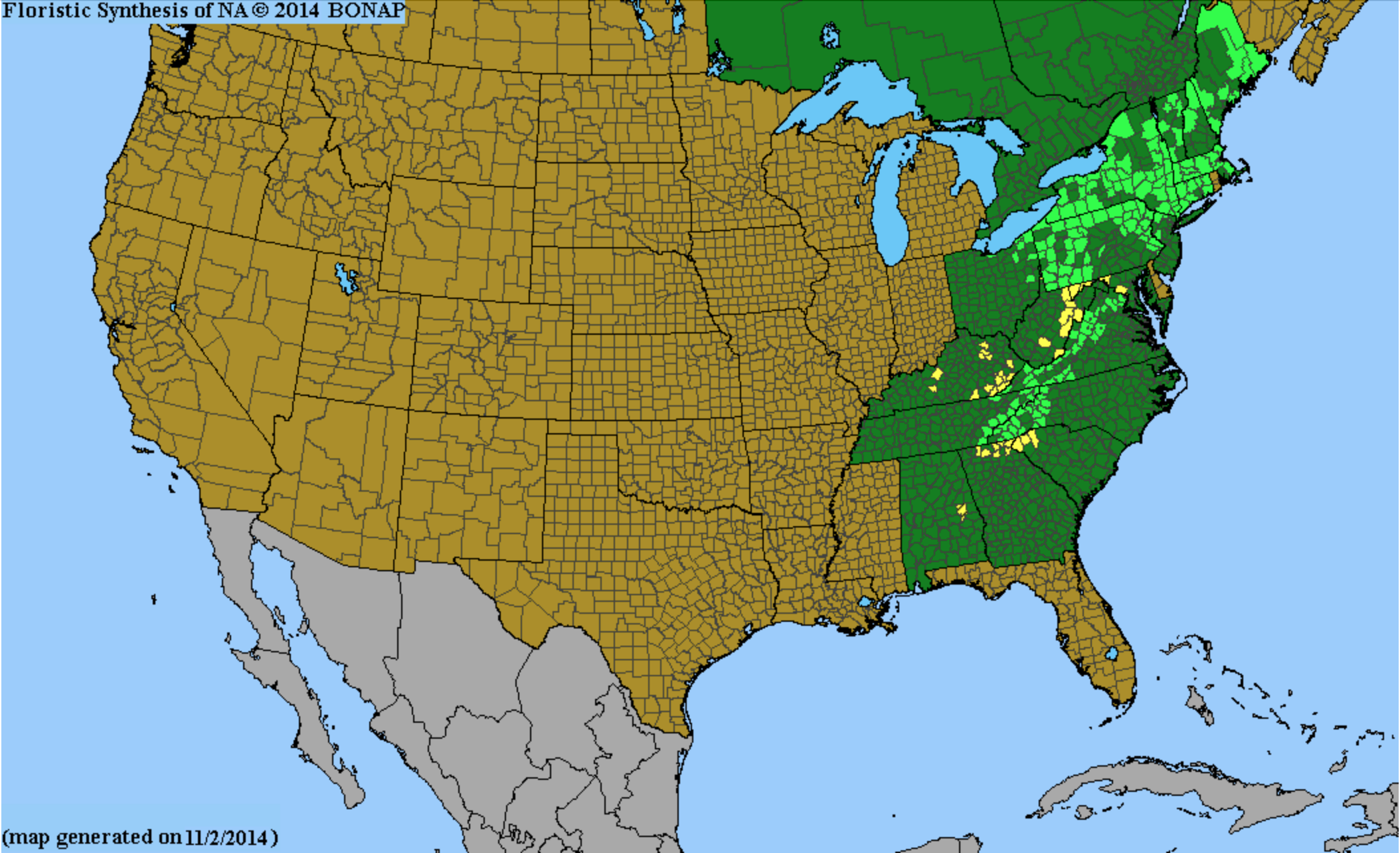
Dry to mesic deciduous and mixed forests across eastern North America. Does well on shady, well-drained slopes, wooded slopes, and rocky, high-elevation sites. Woodlands, rocky hillsides, stream banks
Global Conservation Status (NatureServe)
Secure (G5)
Federal Conservation Status (USFWS)
Not Listed
Distribution Notes
Appalachian sedge is common in the Piedmont, the Mountains, and the Sandhills.